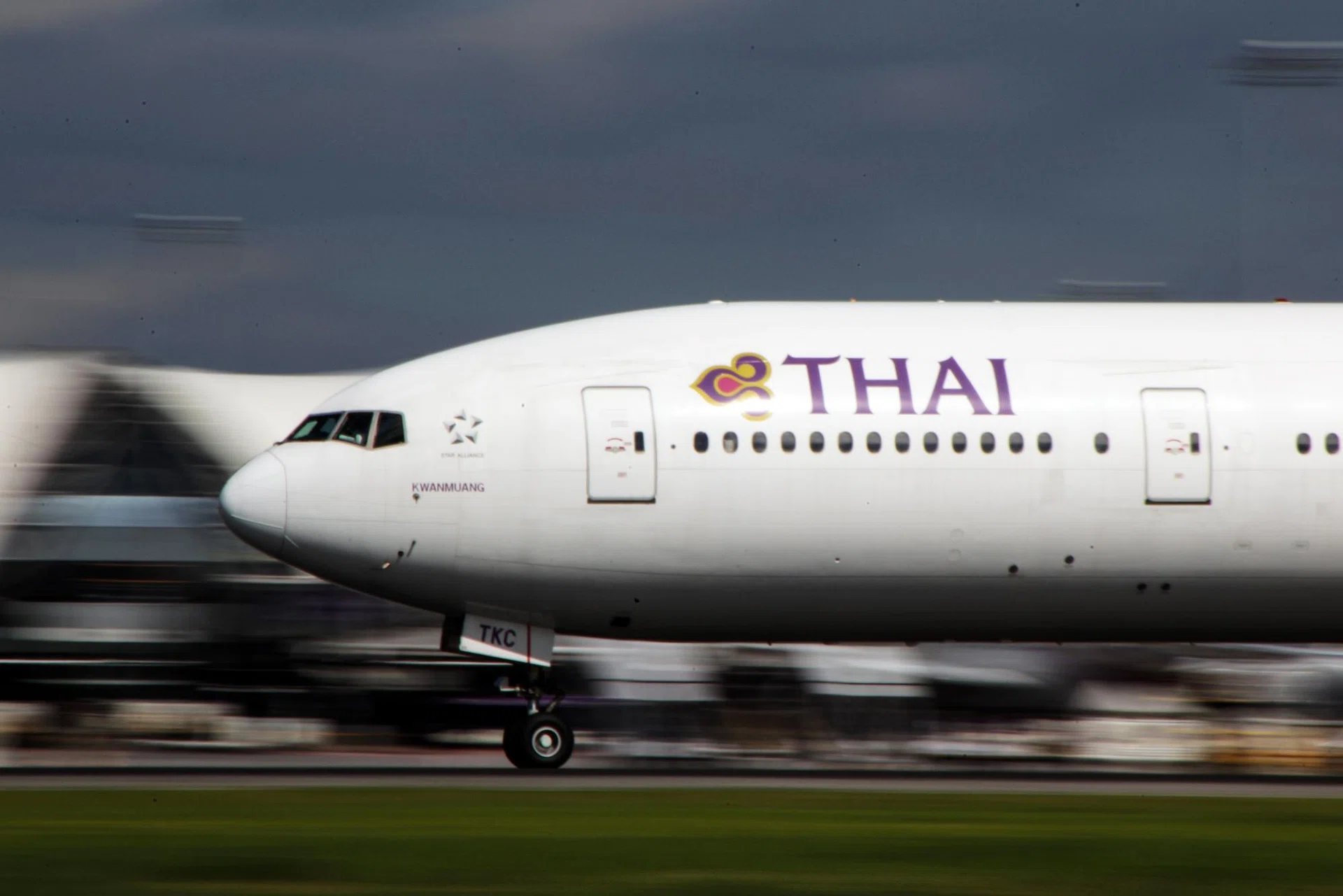
Carriers across Asia are prioritizing liquidity preservation in response to a significant oil shock, with some airlines postponing non-essential investments, according to Thai Airways CEO Chai Eamsiri. The disruption stems from the destruction of Middle East oil infrastructure and the closure of the Strait of Hormuz, affecting jet fuel supplies and industry margins.
Airline leaders emphasize that profitability is currently not the focus, with companies adopting survival strategies such as reducing capital and operational expenditures. Thai Airways, for example, has deferred digital investments to conserve cash. Industry officials predict that it will take months for global jet fuel supplies to stabilize, and fuel costs have surged, with jet fuel prices rising about 140% in a month.
Nasaruddin Bakar, Malaysia Airlines President and CEO, highlighted that the crack spread—the premium airlines pay for refined jet fuel over crude oil—has exceeded US$100 per barrel, unlike the typical US$20–30 range. This increase has led to higher airfares, though airline executives note that demand growth remains positive despite rising costs.
Willie Walsh, IATA Director-General, indicated some relief may come as crude oil prices could fall below US$80 by year-end, but warned that external factors could alter this forecast. Meanwhile, airlines like Scoot and Malaysia Airlines are concerned about margin pressures and demand sustainability as fares increase. Overall, the industry faces a challenging period but remains cautiously optimistic about market recovery.

