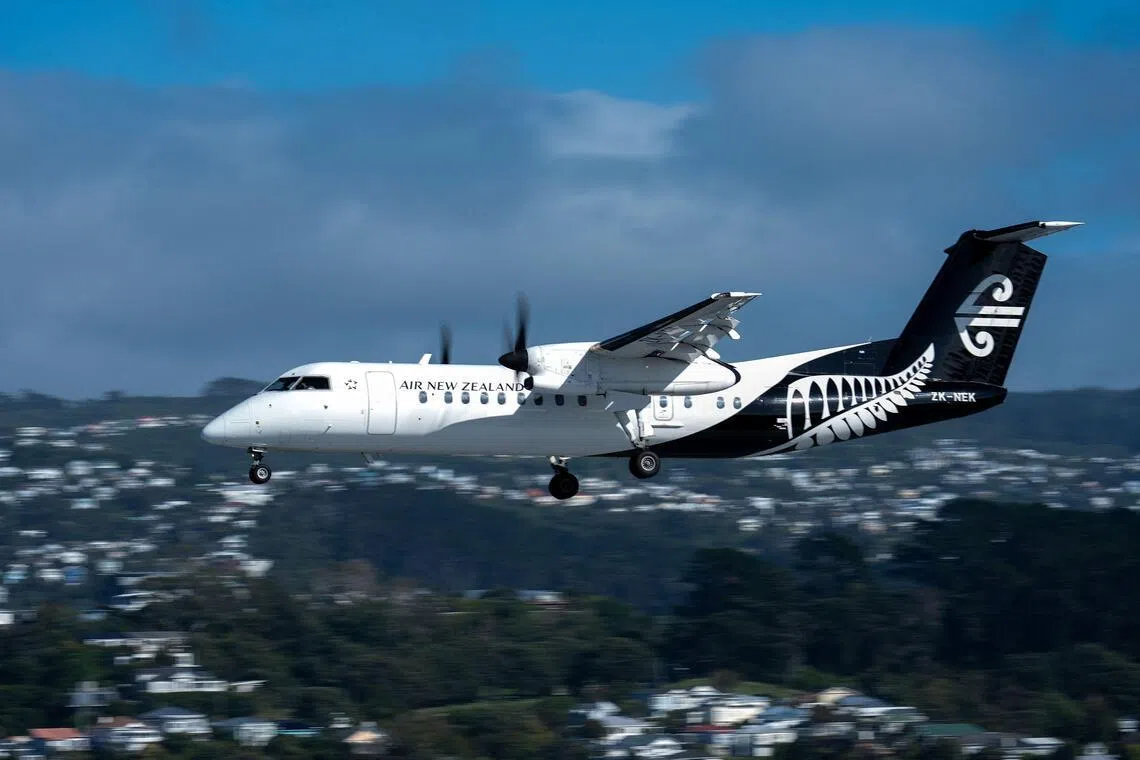
Airlines across Asia and Europe are adjusting their operations in response to the escalating conflict in the Middle East, which has led to significant disruptions in jet fuel supply. Air New Zealand announced flight reductions in May and June, citing soaring fuel costs driven by the Iran war.
The conflict has curtailed nearly 21% of global seaborne jet fuel shipments through the Strait of Hormuz, affecting supply and increasing prices. Airlines in the region have responded by reducing capacity, loading extra fuel at home airports, and adding refueling stops to ensure continued operations.
The recent surge in jet fuel prices—more than doubling since the conflict began—has prompted some airlines, including Batik Air Malaysia and AirAsia X, to cut capacity and adjust routes. Experts warn that these measures may only be temporary, with ongoing supply constraints potentially necessitating further flight reductions.
Despite these challenges, passenger demand remains resilient, although fare increases driven by higher fuel costs are starting to influence travel behavior. Governments and airlines are closely monitoring the situation as the conflict continues to affect fuel supplies and airline operations worldwide.

