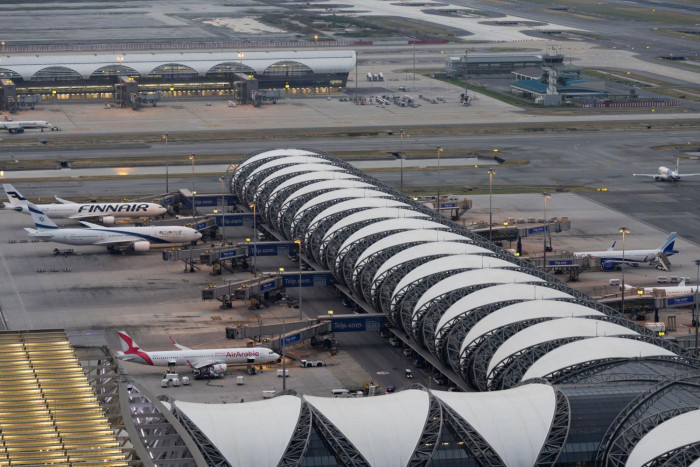
Asia-Pacific’s aviation industry is poised for substantial growth in 2026 and beyond, propelled by demand from China and India, according to recent industry reports. The Association of Asia Pacific Airlines (AAPA) forecasts an increase in both passenger and cargo traffic in the region, supported by economic expansion, relaxed visa policies, and new airport developments.
Global aircraft manufacturers, including Airbus and Boeing, project that the region will require over 19,000 new planes in the next 20 years, emphasizing the importance of growth in both wide-body and narrow-body aircraft. Airbus's Asia-Pacific president, Anand Stanley, highlighted the rising middle class and increased tourism as key drivers supporting long-range, high-capacity aircraft expansion.
Meanwhile, Boeing’s regional director, Dave Schulte, noted Southeast Asia’s rapid passenger traffic growth, with an annual rate of 7%, fueled by a burgeoning middle class and tourism industry. Embraer also predicted the delivery of approximately 10,500 jets sized 150 seats or less, including turboprops, to meet regional needs.
Despite geopolitical challenges and supply constraints, industry experts remain optimistic about the region's prospects, emphasizing ongoing infrastructure investments, fleet modernization, and a focus on sustainable aviation fuel to reach net-zero emissions. The combined efforts aim to bolster the aviation sector’s resilience and facilitate long-term economic growth.

