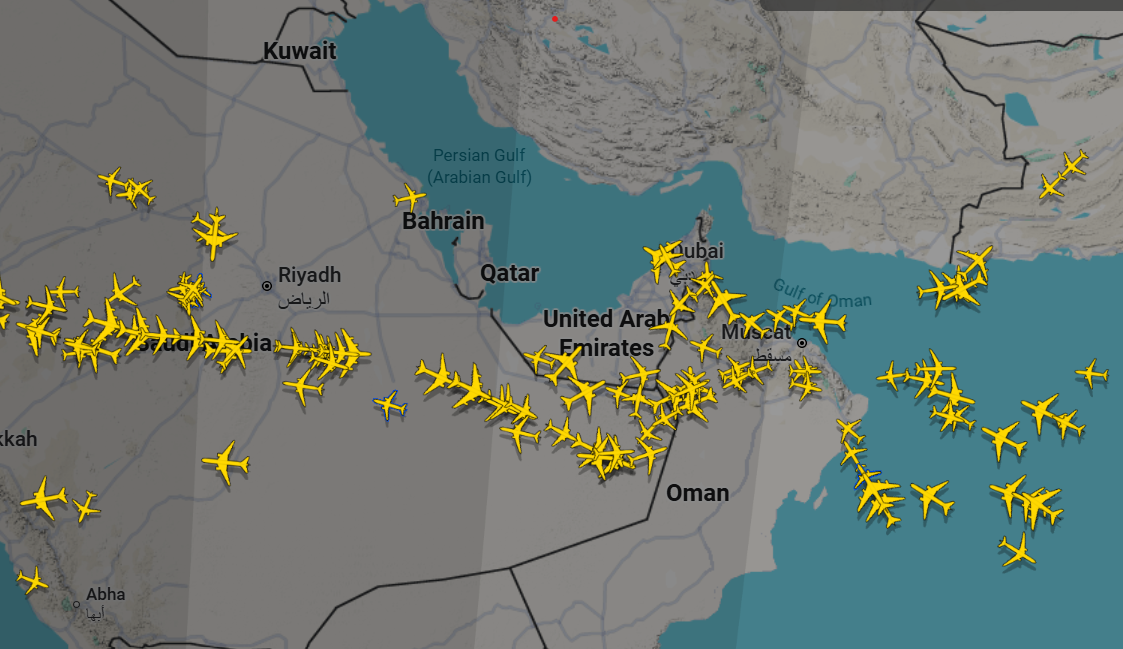
Recent geopolitical tensions in the Middle East have raised concerns among travelers regarding the safety of flights operated by major regional airlines including Emirates, Qatar Airways, and Etihad Airways. Experts emphasize that these airlines continue to adhere to strict international safety standards, avoiding unsafe airspace and closely monitoring geopolitical developments.
Global aviation safety agencies and governments guide flight routes, ensuring that only safe airspace is utilized. Major hub airports such as Dubai, Abu Dhabi, and Doha are critical to worldwide air travel, handling hundreds of thousands of passengers daily while maintaining rigorous safety protocols.
Safety and Operational Measures
Despite closures of certain regional airspaces, airlines maintain alternative routes and emergency corridors. The safety ratings of Emirates and Qatar Airways remain high, each earning seven out of seven stars, with Etihad holding a unique Seven Star Plus rating, both unaffected by recent conflicts.
In contrast to the sanctions faced by Russian airlines during the Ukraine conflict, which compromised safety and led to a safety rating of zero, the Gulf carriers continue to operate safely and responsibly. Airline Ratings endorses their safety standings and highlights their preparedness to pause operations if necessary.
Travel Advisories and Future Outlook
Travelers are advised to consult with their airline or booking provider before heading to the airport, as continued unrest may result in flight disruptions. The Australian Government has issued travel warnings, recommending against travel to the region due to unpredictable military and airspace closures.
Industry officials warn that the disruption could persist for months, with potential impacts including rising airfares and rerouted flights, especially affecting travelers between Europe and the Middle East. The aviation industry remains vigilant, prioritizing safety while managing ongoing geopolitical challenges.

