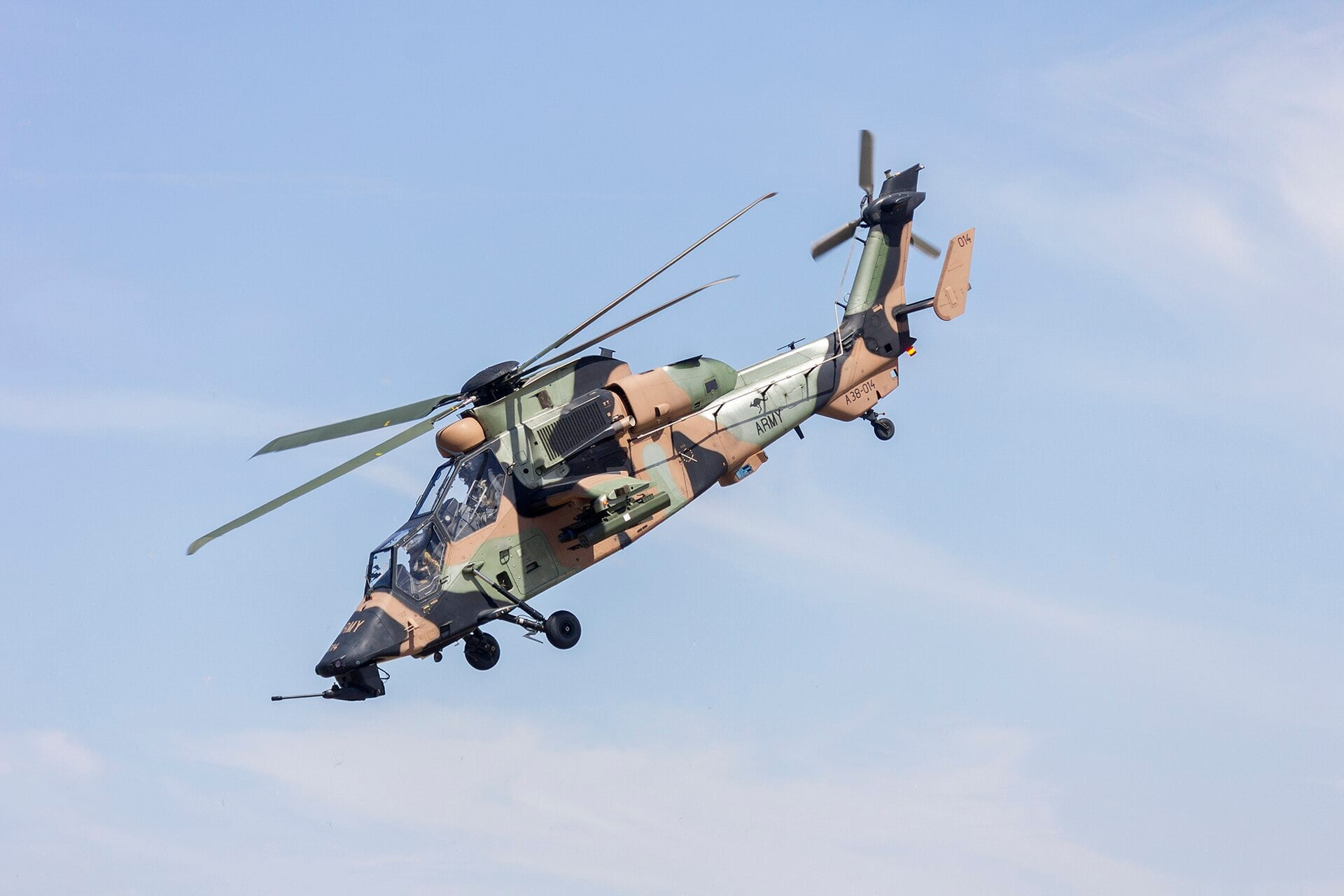
The Australian Army has officially retired its fleet of Tiger attack helicopters in September 2026, marking the end of a nearly two-decade operational history. The 1st Aviation Regiment conducted its last flights over Darwin, a city where the aircraft had become a familiar sight. The fleet, comprising 22 specially modified Airbus Tiger ARH helicopters, was largely assembled in Australia, with the final deliveries completed in 2011 and full operational capability achieved in 2016.
Despite high regard from its pilots for its agility and speed, the Tiger faced logistical challenges due to its unique Australian specifications, which increased maintenance costs and complicated parts procurement from Europe. These factors, coupled with the age of the helicopter and strategic considerations outlined in the 2026 National Defence Strategy, prompted the decision to replace the fleet with 29 Boeing AH-64E Apache attack helicopters.
The Apache helicopters, valued at approximately A$4.5 billion, are set to enhance Australia's combat capabilities with improved sensors and connectivity. The transition involves relocating units from Darwin to Townsville, with the first deliveries already made and the full fleet expected by 2029. The decision underscores Australia's focus on modernizing its aerial attack force while decommissioning the costly Tiger fleet.
Uncertainty remains about the fate of the retired Tigers. The government has entertained proposals to donate the aircraft to Ukraine, which has expressed interest, although no formal transfer has been confirmed. Meanwhile, France and Spain continue to upgrade their Tiger fleets and have seen combat deployments abroad, illustrating the helicopter's continued relevance in other countries' armed forces.
Overall, Australia's Tiger program concludes with a mix of nostalgia and strategic pragmatism, recognizing the aircraft’s capabilities and the challenges faced during its service life.

