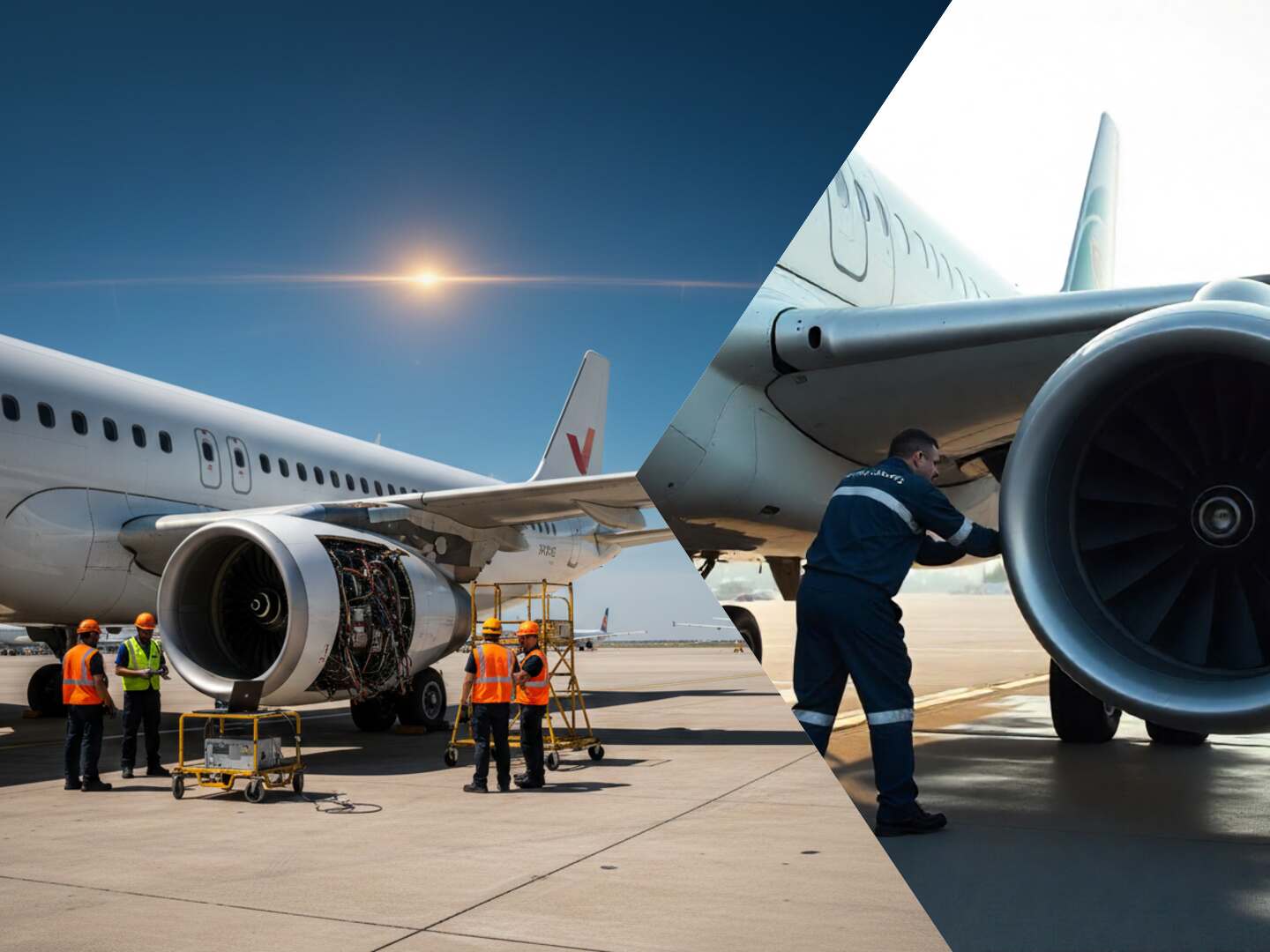
Several Australian carriers, including Jetstar Airways, QantasLink, and Network Aviation, are facing significant operational disruptions following Airbus's decision to ground its A320 fleet worldwide. The grounding stems from a safety alert triggered by solar radiation interfering with the aircraft's electronic flight control systems, specifically the Elevator Aileron Computer (ELAC). This interference has been linked to uncommanded pitch movements, posing grave safety risks.
Regulatory agencies such as CASA in Australia have mandated immediate aircraft modifications, requiring affected planes to be temporarily removed from service and transported to maintenance facilities for software updates or hardware replacements. The urgency stems from recent incidents where cosmic rays caused control system corruption, prompting airlines to cancel numerous domestic flights, thus affecting thousands of passengers and disrupting regional connectivity.
Technical and Industry Response
Engineers are working tirelessly to implement fixes, including software rollbacks and part replacements. The industry is also reassessing the impact of space weather phenomena on digital flight systems and updating safety protocols accordingly. Aircraft cannot return to service until CASA certifies the repairs, with supply chain issues potentially delaying full fleet recovery. This event marks a pivotal moment in the aviation sector's recognition of natural-space-related vulnerabilities and urges future-proofing measures.
The incident highlights the evolving challenges faced by aerospace technology and the critical importance of comprehensive safety measures to prevent space-induced failures. Industry stakeholders remain committed to restoring fleet operational status swiftly, ensuring passenger safety remains paramount amid these unprecedented circumstances.

