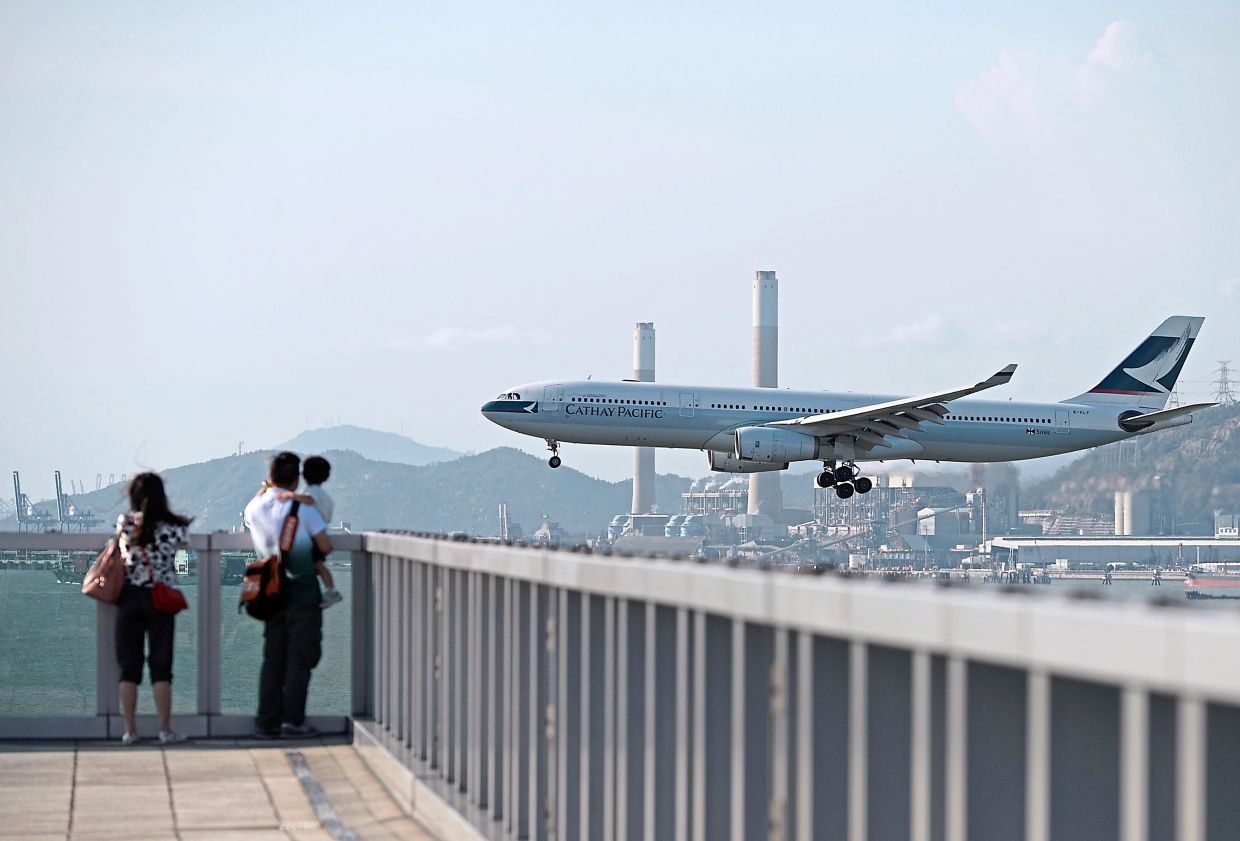
Jet fuel prices are projected to remain unstable for several months, according to industry leaders, despite recent declines in crude oil prices following a temporary ceasefire between Iran and the United States. Executives from Malaysia Aviation Group and Thai Airways highlighted ongoing supply concerns and the impact of the conflict on energy infrastructure. The recent surge in fuel costs has doubled aviation expenses, leading airlines globally to increase ticket prices and adjust flight schedules. Experts suggest that higher fuel prices may prompt airlines to retire older aircraft models sooner, potentially benefiting aircraft manufacturers such as Airbus and Boeing. Disruptions in energy flows through strategic routes like the Strait of Hormuz have further contributed to the volatility in fuel prices, with widespread implications for the aviation industry. As regional tensions persist, the industry faces continued challenges in balancing operational costs with travel demand, especially in regions sensitive to global oil fluctuations.
Aviation Fuel Prices Remain Unstable Amid Supply Disruptions and Regional Conflicts
Aviation Fuel Prices Remain Unstable Amid Supply Disruptions and Regional Conflicts
Trending
|
6 months ago

Share to:
Latest news
powered by We Do Dev Work 
We use cookies and similar technologies to enhance your Browse experience, personalize content and ads, provide social media features, and analyze our traffic. By clicking 'Accept All' or continuing to use our website, you consent to the use of cookies as described in our Cookie Policy