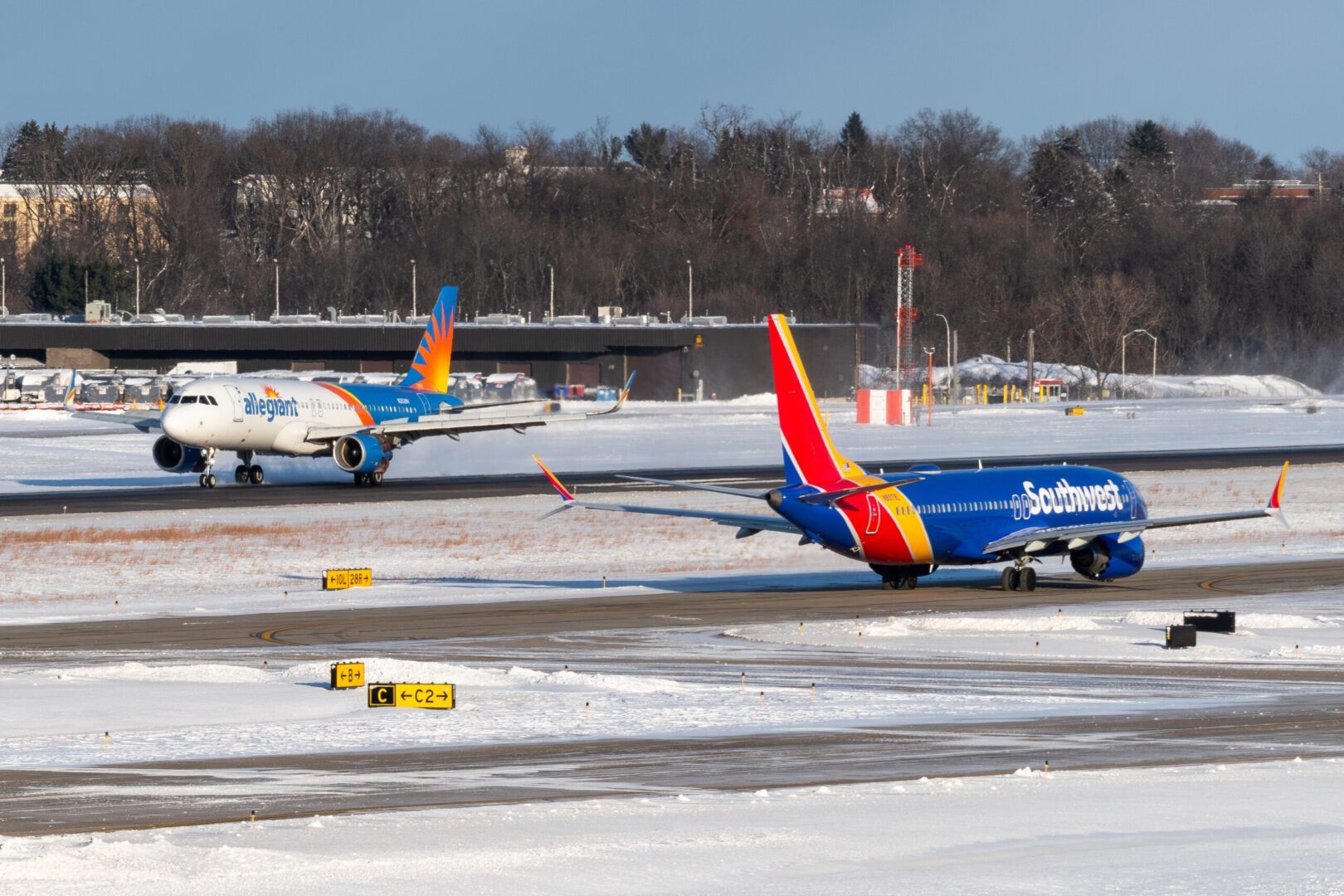
The global aviation industry is set to continue its growth trajectory in 2026, building on a resilient recovery from the impacts of the COVID-19 pandemic. Industry analysts forecast increased passenger traffic supported by international travel revival and the expansion of emerging markets. Cargo volumes are also expected to grow, driven by digitalization and e-commerce demand.
Major infrastructure projects are underway, notably in the United States, where over $12 billion is allocated to overhaul the air traffic control system. This modernization aims to enhance capacity and efficiency, leveraging new technology and expanding staffing with nearly 9,000 additional controllers by 2028. Airlines are competing for premium customers by opening more lounges and upgrading onboard services, including premium seating and high-speed Wi-Fi, such as Starlink systems.
Meanwhile, airlines like Spirit Airlines continue their restructuring efforts following bankruptcy filings, aiming for profitability within the next few years. Celebrating the centennials of American and United airlines, the industry marks a century of history with fleet liveries and commemorative initiatives, highlighting its long-standing legacy.
In the sustainability arena, production of sustainable aviation fuel is projected to slow in 2026 despite growth in recent years. The Pittsburgh International Airport has partnered with Avina Synthetic Aviation to develop a new on-site SAF plant, aiming to accelerate decarbonization efforts. Overall, the airline industry appears poised for a dynamic year marked by innovation, investment, and strategic growth, shaping the future of global aviation.

