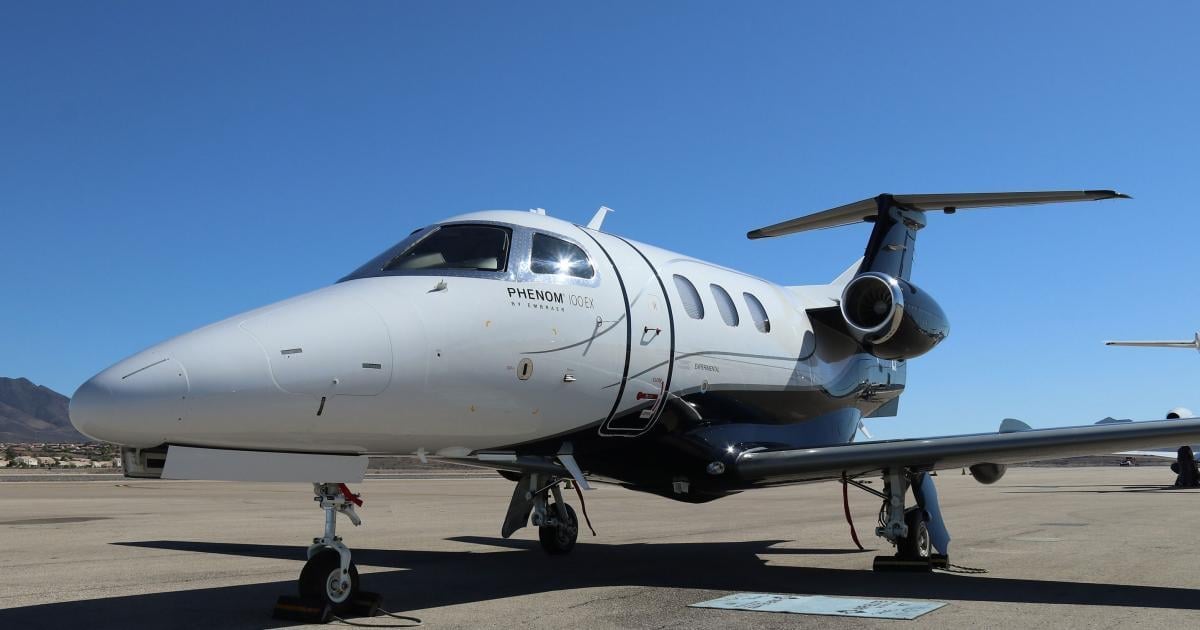
The aircraft industry is projected to see substantial growth over the next decade, with the bizjet market valued at an estimated $60 billion annually by 2036, up from $27 billion in 2025. This growth is driven by rapid expansion in the very light jet segment and ongoing industry innovation.
Several manufacturers are making notable progress: Britten-Norman aims to produce eight new Islanders annually after completing its latest aircraft at Bembridge. Meanwhile, Atlas has announced plans to develop electric-hybrid prototypes of the Electra EL9 in collaboration with a U.S. start-up based in Wichita.
In other news, Honda Aircraft is completing the wing design of its Echelon jet, with first flight expected early next year, while Cape Air plans to add eight new Caravan aircraft to its Montana network by 2027. The anniversary of 9/11 continues to influence industry security protocols and aerospace safety measures.
Industry analysts are debating whether Embraer will develop a large narrowbody jet to expand its market share, reflecting industry trends toward larger regional and commercial aircraft. Additionally, the restoration of vintage Lear Jets encounters logistical challenges, notably with the removal of baggage floors during refurbishment.
The emerging electric vertical takeoff and landing (eVTOL) sector is witnessing significant activity, exemplified by the start of a flight test campaign by Joby's Project Nexus in North Texas under the FAA’s pilot program. These developments indicate ongoing innovation and adaptation within the aerospace sector, shaping future market dynamics.

