Brussels Airport: Europe's Welcoming Hub with a Local Heart
Brussels Airport: Europe's Welcoming Hub with a Local Heart
Trending
|
5 months ago
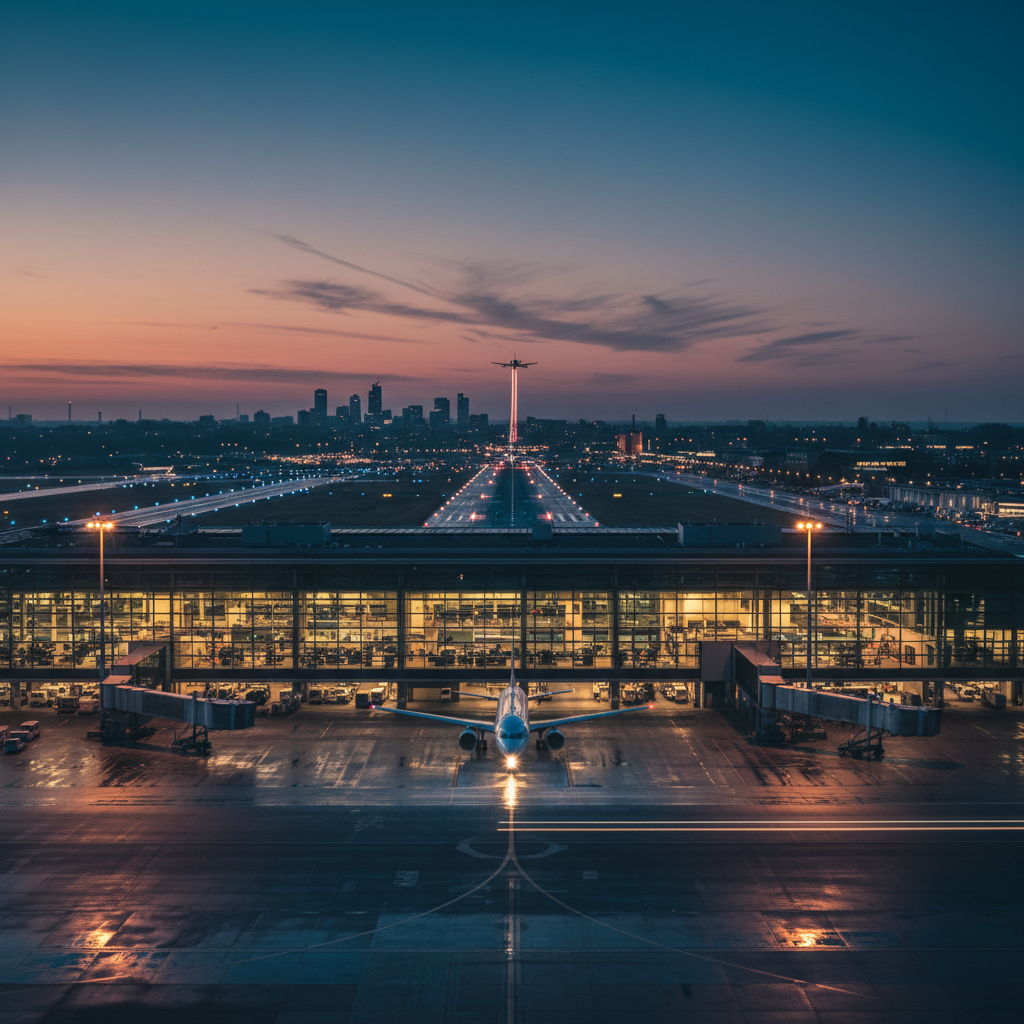
Overview: Navigating Brussels Airport (BRU)
Brussels Airport, known by its IATA code BRU, serves as a significant gateway to Belgium's capital and the wider European continent. Often referred to locally as Zaventem, after the municipality it calls home, BRU handles millions of passengers annually, connecting them to destinations across the globe. From its origins as a military airfield, it has evolved into a modern, well-equipped international airport, reflecting Belgium's role at the heart of Europe. My various passages through BRU have always highlighted its ability to balance operational efficiency with a surprisingly relaxed atmosphere, a combination not always found in larger European hubs.
As a seasoned traveller, I appreciate an airport that understands the rhythm of arrivals and departures. Brussels Airport consistently delivers a clean, intuitive experience, whether you're rushing for a connecting flight or settling in for a longer layover. Its design, while extensive, feels manageable, and the multilingual staff reflect the diverse populace of Brussels itself. It's an airport that manages to be both a major international player and retain a distinct sense of place.
Terminals & Layout: Streamlined Belgian Efficiency
BRU operates primarily from a single terminal building, which simplifies navigation considerably. This consolidated approach means less shuttle hopping and more direct access to your gate. The terminal is effectively divided into piers (A and B, with Pier A also extending to the A-T Gates for Schengen flights), each serving different geographical regions.
Security checks are centrally located after check-in, leading to a sprawling departure area with access to all gates. This centralised security model, while occasionally leading to queues, ensures that once you’re through, you have the full run of the retail and dining options before heading to your specific pier. For connecting passengers, the layout is generally straightforward, with clear signage guiding you between gates. Despite its size, I’ve always found the walking distances to be reasonable, a welcome relief for those with tight connections or heavy carry-on luggage.
Getting In & Out: Seamless Connections to the City and Beyond
One of Brussels Airport's strongest attributes is its excellent connectivity to the city centre and surrounding regions. Public transport options are abundant and efficient:
- Train: The airport has its own railway station directly underneath the terminal building. Trains offer a rapid and frequent service to Brussels Central, Midi (South), and North stations, making it incredibly convenient for downtown access. The journey is quick, allowing you to transition from air travel to city exploration in mere minutes.
- Bus: A comprehensive bus network operates from the airport, with lines serving various parts of Brussels and suburban areas. The STIB/MIVB (Brussels public transport operator) and De Lijn (Flemish public transport operator) both have extensive routes, providing affordable alternatives to taxis.
- Taxi: Taxis are readily available outside the arrivals hall. While more expensive, they offer door-to-door service, which can be ideal for those with lots of luggage or late-night arrivals.
- Car Rental: All major car rental companies have desks at the airport, catering to those who prefer the flexibility of driving through Belgium and beyond. The airport is well-connected to major motorways, facilitating easy onward journeys.
On every visit, regardless of my chosen transport, I've found getting to and from BRU to be a smooth experience, a testament to Belgium's well-integrated infrastructure.
Food & Shopping: A Taste of Belgium and International Delights
Brussels Airport offers a diverse array of dining and shopping opportunities, catering to various tastes and budgets. From quick snacks to more leisurely meals, you won't go hungry.
- Dining: You'll find a good mix of international chains and local Belgian flavours. Expect to see options for sandwiches, pastries, pizzas, and more substantial sit-down meals. And, of course, no visit to a Belgian airport would be complete without indulging in some authentic Belgian fries, often served with a wide array of sauces, or savouring a delicious Belgian waffle.
- Shopping: The retail experience is robust, featuring duty-free stores offering perfumes, cosmetics, spirits, and tobacco. Alongside these, you'll find fashion boutiques, electronics retailers, and newsagents. Most enticingly for many, are the numerous shops dedicated to Belgian specialities – think world-renowned Belgian chocolates and an impressive selection of Belgian beers, perfect for last-minute gifts or a personal treat. I always allocate extra time for chocolate shopping, a delightful pre-flight ritual.
Lounges: Comfort and Connectivity
Brussels Airport provides several lounges for passengers seeking a more tranquil and comfortable pre-flight experience. These havens typically offer complimentary Wi-Fi, refreshments (often including local Belgian beers), comfortable seating, and a quieter atmosphere away from the bustling main terminal.
Access is usually available to eligible frequent flyers, business class passengers, or those purchasing a day pass. While specific lounge names may change, the general offering remains consistent: a chance to relax, catch up on work, or simply unwind before your journey. They often reflect a modern aesthetic, sometimes with subtle nods to Belgian design, providing a pleasant environment to recharge.
What Makes It Unique: The Belgian Touch
What truly sets Brussels Airport apart is its undeniable Belgian character. It isn't just a transit point; it

Airspace Times Team
Aviation news desk
Published: 07 May 2026
Share to:
Latest news
Related airports
powered by We Do Dev Work 
We use cookies and similar technologies to enhance your Browse experience, personalize content and ads, provide social media features, and analyze our traffic. By clicking 'Accept All' or continuing to use our website, you consent to the use of cookies as described in our Cookie Policy