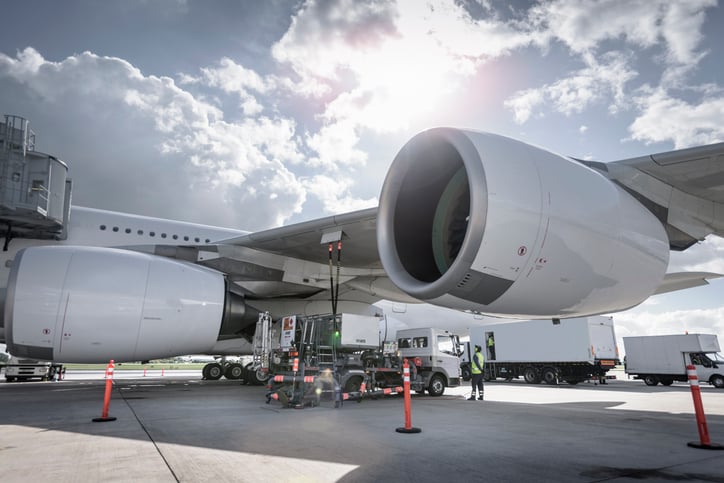
Fuel management remains one of the most challenging operational costs for airlines, especially in regions like the Caribbean where small fleets and island routes pose unique challenges. Several carriers in the Caribbean have demonstrated that cultivating a culture of fuel efficiency can significantly impact their financial performance. By rethinking decision-making processes, tracking, and staff engagement, airlines are aligning their operational practices with strategic sustainability goals.
The International Air Transport Association (IATA) has developed a Four-Pillar Fuel Efficiency Framework to assist carriers in embedding efficiency into their organizational culture. This framework emphasizes governance, operational practices, data analysis, and staff participation. Carriers are encouraged to start with initiatives that offer high impact and feasibility, such as fleet re-weighing or exterior cleaning, before progressing to more complex projects like network optimization or joint procurement efforts.
Regional collaboration among Caribbean airlines is gaining momentum, with efforts like shared procurement and joint capacity planning. These initiatives aim to collectively achieve better fuel efficiency and cost management, even amid volatile fuel prices. The IATA also provides resources such as manuals, benchmarking tools, and gap analysis to support these efforts, enabling airlines to build sustainable practices that extend beyond immediate cost savings to long-term operational resilience.

