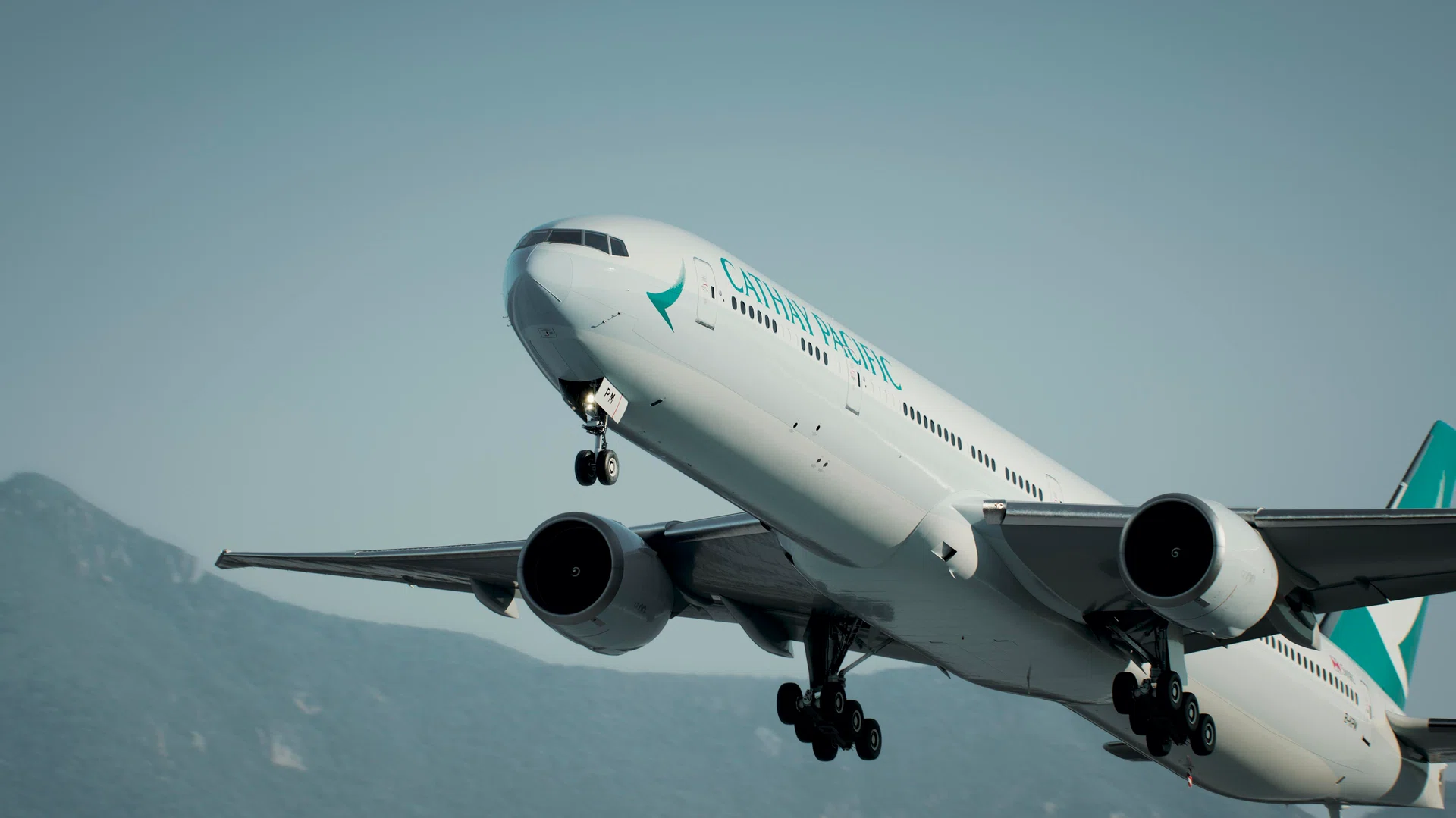
Hong Kong-based Cathay Pacific is positioning itself for future growth in Southeast Asia, leveraging the region’s rising middle class and new airport infrastructure. Despite geopolitical tensions, the carrier expects that the expanding economic landscape will increase both outbound and inbound travel, especially as more affluent segments seek leisure, business, and educational opportunities.
The airline is planning a strategic expansion, including increasing its fleet and enhancing airport operations. The recent completion of Hong Kong International Airport's three-runway system has significantly boosted its capacity, allowing for greater operational flexibility and volume growth. Cathay Pacific aims to grow its total fleet to around 150 aircraft by 2028, with new narrowbody models to serve regional routes.
Regional Growth and Infrastructure Investments
Lau, the regional general manager, emphasized the importance of intra-Asia traffic. Currently, the airline operates approximately 430 weekly flights to Southeast Asia and is exploring new routes, including dedicated cargo flights such as those to Bangkok. The airline’s higher investment in passenger experience is evident with the rollout of premium classes like the Aria Suite business class and premium economy, with plans for further product enhancements in 2026 and 2027.
"South-east Asia is one of the world’s fastest-growing regions for air travel," said Lau. "We see significant potential driven by increasing affluence and demand for both leisure and business travel."
The development of new airports in Cambodia, Vietnam, and the Philippines is expected to further enhance market capacity. Lau noted that these projects, alongside HKIA’s upgrades, will help Hong Kong and satellite airports serve as vital hubs for regional connectivity, fostering economic growth and tourism in Southeast Asia.

