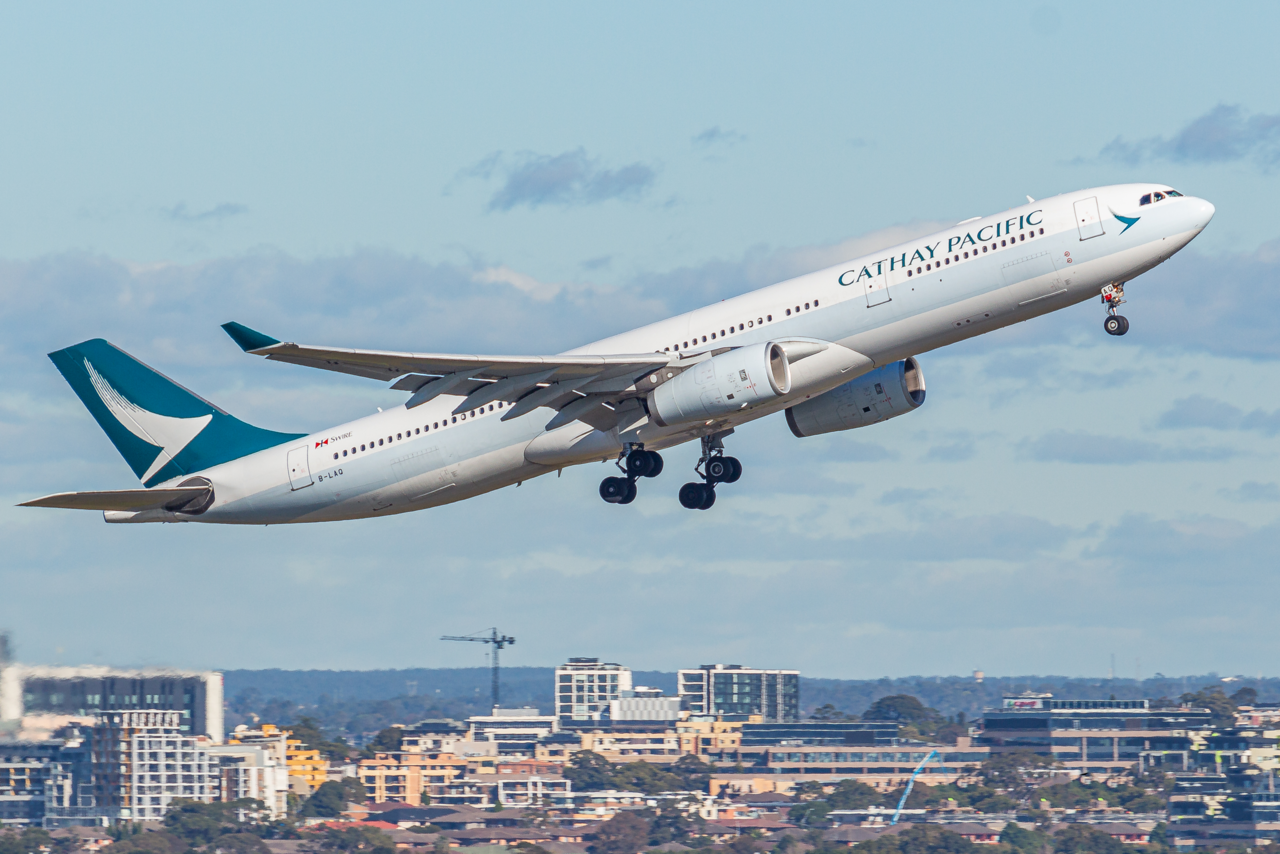
Cathay Pacific has expressed support for a recent research study initiated by Peking University, which explores pathways for scaling sustainable aviation fuel (SAF) in China. The airline highlighted its ongoing efforts to incorporate SAF into its operations, noting that SAF use can significantly reduce lifecycle carbon emissions, by approximately 80% according to the 2024 procurement data.
The study, titled ‘Igniting the SAF Market: Policy Pathways for Scaling Sustainable Aviation Fuel in China,’ published in late 2025, analyzes policy frameworks and market expansion strategies necessary for advancing SAF adoption. It emphasizes the importance of supportive policies for achieving price parity between locally produced SAF and conventional jet fuel, which is critical for the industry’s sustainability goals.
Industry Response and Outlook
Grace Cheung, Cathay’s General Manager of Sustainability, commented:
“This study by Peking University is encouraging, as it demonstrates the long-term potential for cost parity between SAF and conventional jet fuel, provided there is sufficient support for the development of new technologies and large-scale SAF production, along with policies that support SAF deployment from both demand and supply sides.”
Recognized as one of the earliest airlines to utilize Chinese-made SAF, Cathay Pacific has incorporated sustainable fuels at major airports including Hong Kong, Amsterdam Schiphol, and London Heathrow. The airline’s commitment aligns with broader industry trends toward decarbonization and increased sustainability standards that are vital for reducing aviation’s environmental impact.
As the industry moves forward, ongoing support for technological development and policy frameworks remain essential. The findings and recommendations of the Peking University study are seen as a positive step toward a more sustainable future for global aviation.

