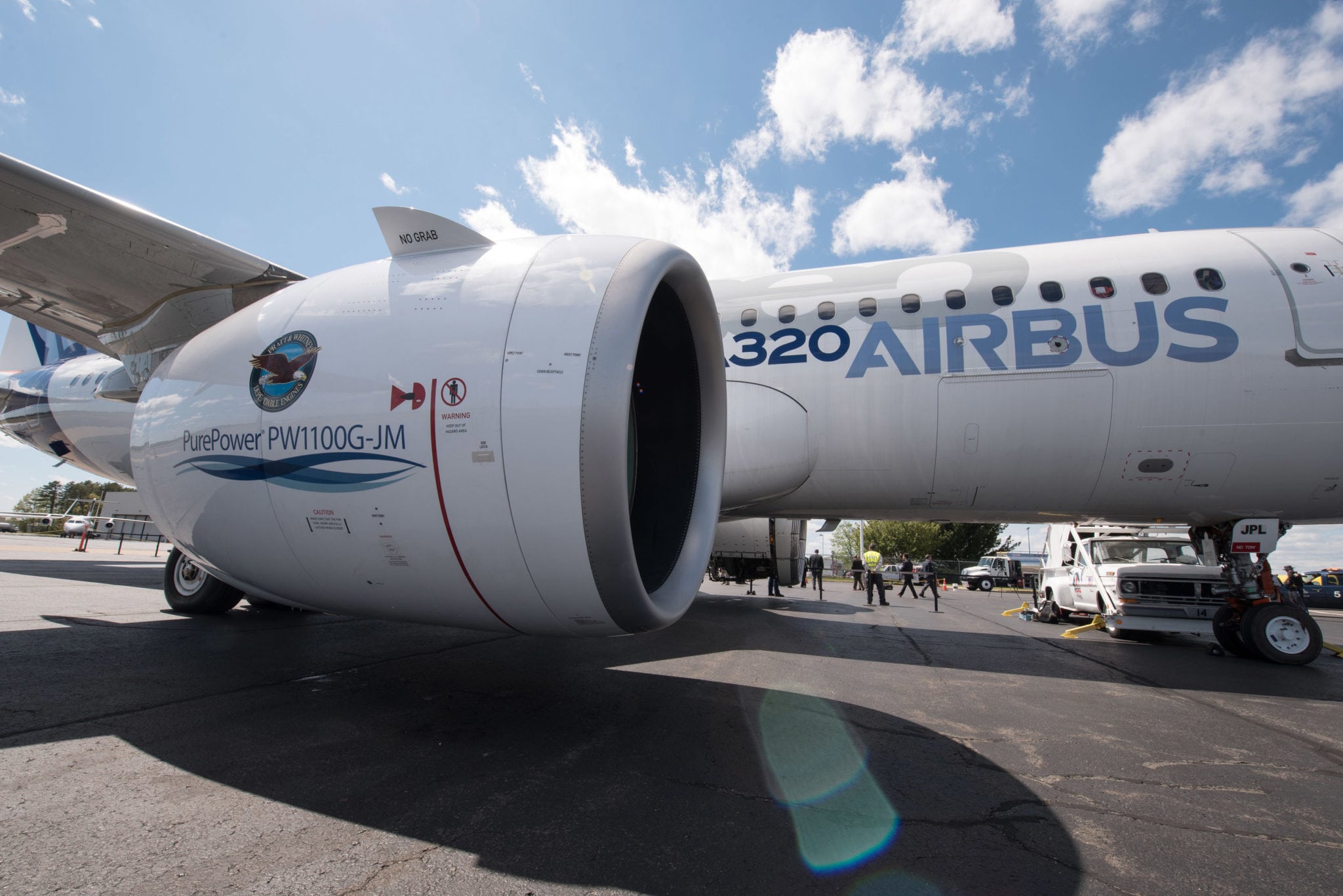
The Airbus A320neo family remains highly sought after, with order books expanding despite ongoing production and supply chain challenges. As of April 2026, the company is carefully managing its output, which is currently in the mid-50s per month, with plans to reach 75 aircraft monthly by 2027. However, bottlenecks, particularly related to Pratt & Whitney GTF engines requiring intensive inspections, have slowed delivery schedules.
Airbus’s strategic focus on disciplined growth aims to support the aircraft’s resale value and lease terms. The certification process for models like the A321XLR continues without significant delays, enabling airlines to explore longer routes and tap into new markets. The A321neo has become the dominant model within the family, proving to be the most favored growth platform for airlines worldwide.
Supply and Reliability Concerns
Engine reliability remains a vital issue, with Pratt & Whitney's GTF engines facing ongoing inspection and repair demands. Meanwhile, CFM International's LEAP-1A engines have demonstrated more stability, though challenges persist. These factors influence fleet utilization and aircraft valuation considerations.
Despite these hurdles, Airbus maintains its market leadership in narrowbodies, reinforced by strong demand and strategic certification. Supply chain constraints highlight the importance of operational discipline and resilience within the industry, underscoring the importance of effective risk management as demand continues to grow robustly.

