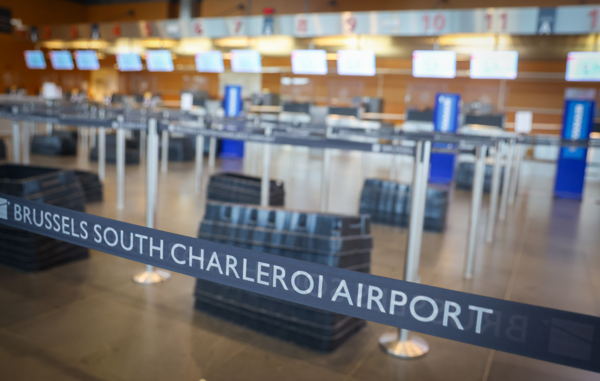
Brussels South Charleroi Airport (BSCA) has issued a warning that the implementation of new aviation taxes in Belgium could threaten its financial stability, with losses projected as early as 2026. The airport highlighted that the fiscal measures, including a municipal passenger tax and an increased federal ticket tax on short-haul European flights, would have a profound and lasting impact on its operations and local economy.
Starting next year, Charleroi city council plans to impose a 3 euro tax on each departing passenger, while the federal government intends to raise the ticket tax on European short-haul flights to 10 euros from 2027. BSCA has indicated that the municipal tax alone could cost around 16.8 million euros annually, surpassing the airport’s pre-tax profit of approximately 13 million euros.
This financial pressure has prompted concerns from airline operators, particularly Ryanair, which has publicly opposed the proposed taxes. The airline warned that it might reduce its presence at the airport by removing five aircraft from its fleet of 18 and cancelling 13 routes in winter 2026-27, which could lead to significant job losses and economic downturns.
"The speed and scale of these measures put our current economic model at risk,"
said CEO Christophe Segaert. The chairman of BSCA, Gilles Samyn, described the impact as "untenable" and called for a review of the tax measures, emphasizing the potential adverse effects on employment and tourism.
Estimations suggest that Ryanair’s scale-back could lead to the loss of approximately 1,100 jobs and cause a €95 million annual decline in economic activity, primarily through reduced tourism. The airport’s management has called for reconsideration of the taxes to prevent the potential economic fallout.

