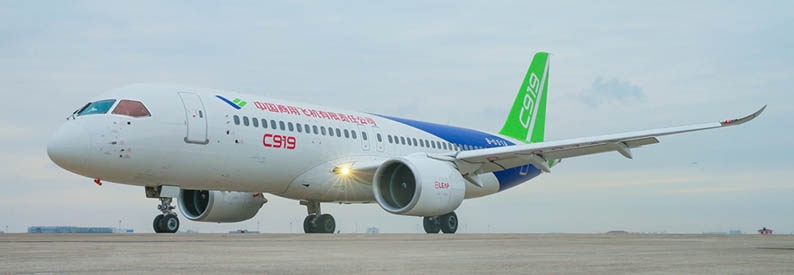
The Shanghai-based aerospace manufacturer COMAC is undertaking a strategic restructuring of its supply chains in response to geopolitical risks and export restrictions that have impacted the aviation sector. The suspension of CFM International LEAP-1C engine exports in mid-2025 has hindered production schedules, despite the company delivering fifteen C919 jets last year—only about half of its revised targets.
Manufacturing disruptions are further exacerbated by workforce shortages and delays from foreign suppliers. As part of its efforts to achieve greater self-reliance, COMAC's affiliate, the Aero Engine Corporation of China, is accelerating the certification process for the indigenous CJ‑1000A engine, which is nearing final approval. These developments are critical for maintaining production momentum and supporting China's broader ambitions to establish a robust domestic aerospace industry.
The Sector's Outlook
The delays underscore the vulnerabilities in global supply chains and the geopolitical challenges faced by Chinese aerospace manufacturers. Industry analysts emphasize that developing indigenous engines and diversifying suppliers are vital steps for COMAC to sustain growth and achieve technological independence in the competitive commercial aircraft market.
"COMAC's efforts to diversify its supply chain and develop indigenous engines are critical for its long-term growth and independence," said industry expert John Smith.
Overall, the progress on the CJ‑1000A engine and adjustment of supply chain strategies remain key to overcoming current production hurdles and ensuring China’s aviation ambitions are realized in the coming years.

