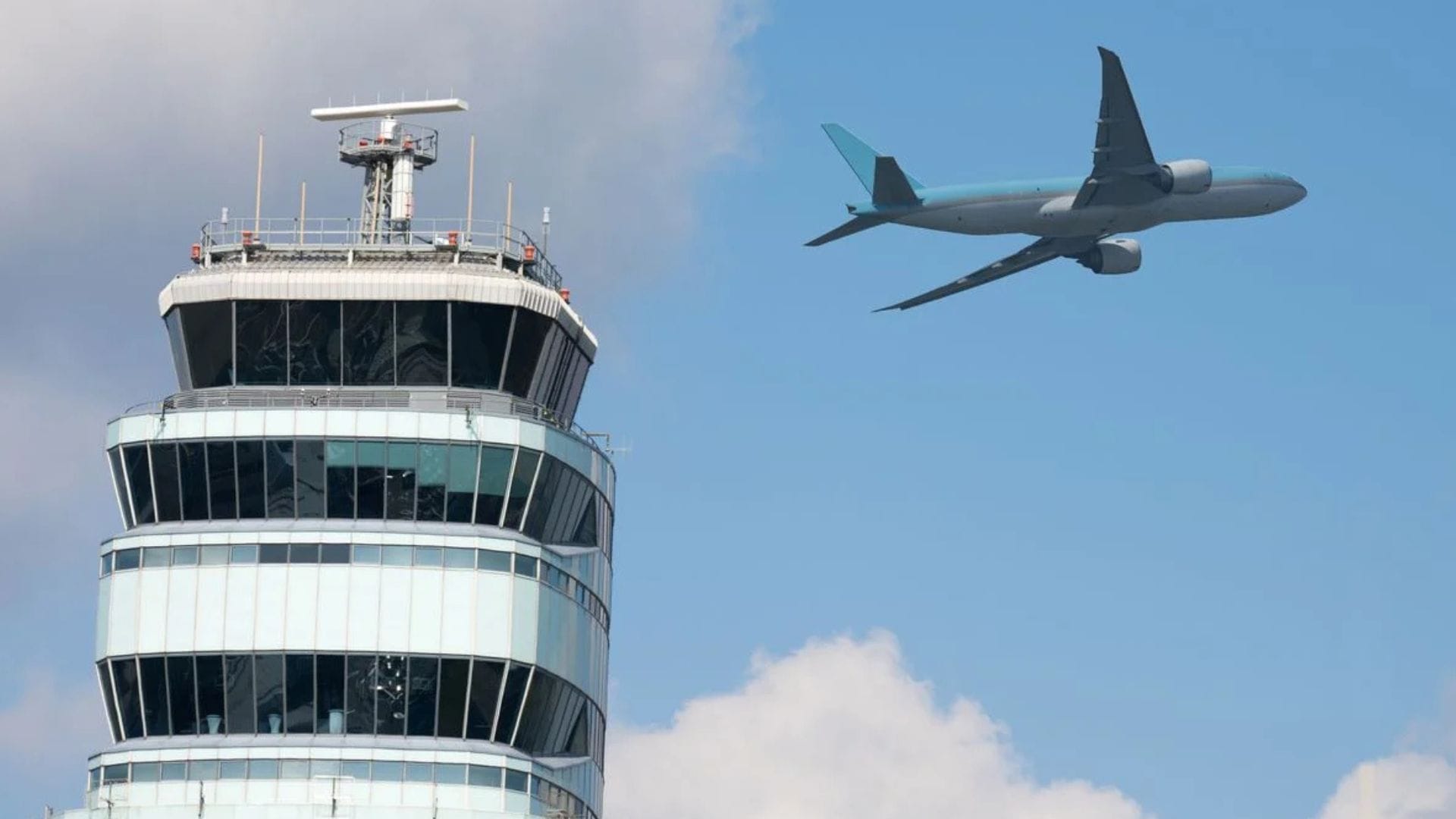
The International Air Transport Association (IATA) has reiterated concerns regarding the potential interference of fifth-generation (5G) mobile networks with aviation safety systems. Although Singapore has not experienced any such incidents, the global aviation community remains vigilant due to the uneven regulation of spectrum use across countries.
Singapore's Civil Aviation Authority (CAAS) reports that its current 5G services operate within a frequency band (3.45GHz to 3.65GHz) that is sufficiently distanced from the aviation-critical band (4.2GHz to 4.4GHz). The authority confirms that the combination of low power operation and careful management of base station deployment has minimized the risk of interference with radio altimeters used during aircraft landings.
Radio altimeters are essential for precise altitude measurement, especially in low visibility conditions. While Singapore has maintained safe operations, authorities in some other nations, including the United States and Australia, face greater risks due to higher transmit power levels and less strict spectrum management. Such discrepancies can lead to disruptions, delays, or rerouting, affecting airline operations.
The report underscores the importance of international regulatory alignment, highlighting that current standards are inconsistent globally. Industry leaders advocate for coordinated spectrum policies and safety standards to ensure aviation safety keeps pace with evolving telecommunications technology, safeguarding operations as networks expand worldwide.

