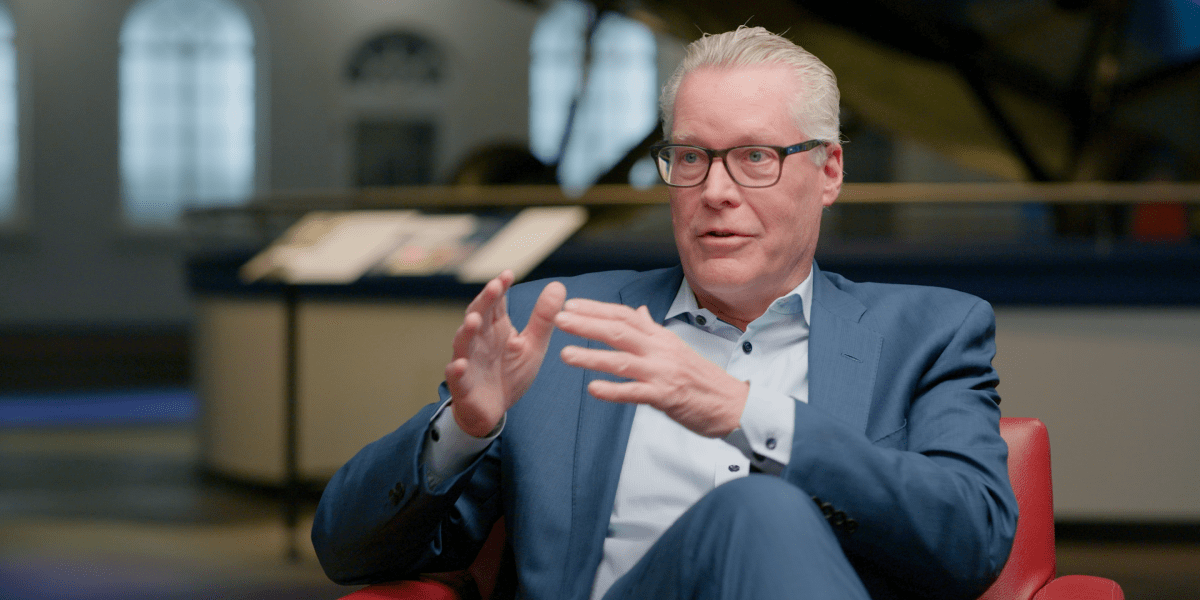
Delta Airlines CEO Ed Bastian has highlighted the significant role artificial intelligence (AI) could play in modernizing the United States' air traffic control system. While AI may not drastically change the passenger experience, Bastian believes it could address critical issues such as outdated technology and staffing shortages that hinder airport safety and efficiency.
In an interview, Bastian explained that the current infrastructure remains largely antiquated, with some systems being over 50 years old, which hampers timely and safe management of air traffic. Delta has already begun deploying AI tools, including a virtual flight assistant called Delta Concierge, to enhance operational efficiency. However, he emphasized that technological advancements at a systemic level could unlock greater capacity and reduce delays for travelers.
Government Initiatives and Industry Impact
The U.S. government has announced plans to replace radios, radars, and voice switches at thousands of control sites and to build new towers, partly aimed at addressing these issues. Yet, Bastian advocates for integrating AI-driven analytics—such as large language models—to help identify risk areas with better incident reports analysis, although these tools are to supplement, not replace, human controllers.
"Focus on upgrading traffic control technology to unlock the sky is crucial. AI can be a key part of this effort,"
said Bastian, emphasizing that technology investments will be vital to handle rising air travel demand and improve safety standards.
Delta’s push for modernization indicates that the future of aviation will rely heavily on technological innovation, with AI serving as a critical enabler for safer and more efficient skies.

