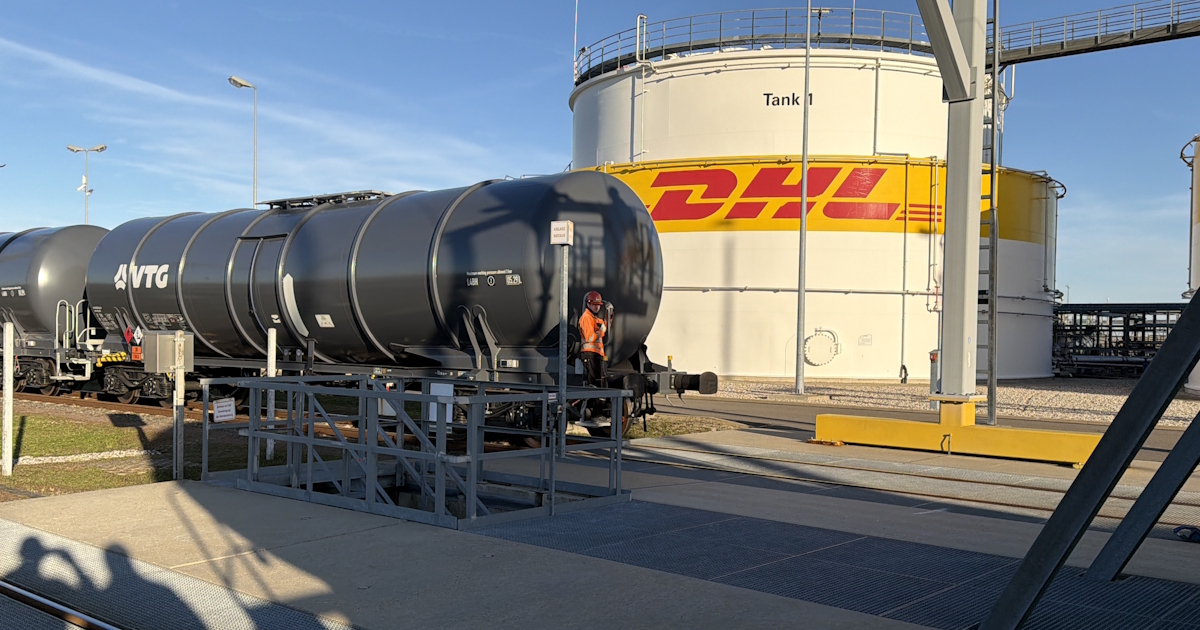
Leading logistics provider DHL has significantly advanced its efforts towards decarbonizing aviation through extensive deployment of sustainable aviation fuel (SAF) across multiple international airports in 2025. Utilizing 185 kilotons of SAF, DHL's operational use nearly tripled from the previous year, effectively reducing approximately 775,000 metric tons of CO₂e emissions. This strategic move highlights DHL’s commitment to supporting industry shifts and regulatory measures both in Europe and the UK to foster a resilient SAF supply chain.
The deployment at 17 airports across Europe, Asia, and North America, including Leipzig, Amsterdam, London Heathrow, Singapore, Tokyo Narita, Los Angeles, and New York JFK, demonstrates a multiregional approach to scaling SAF utilization. DHL’s recent agreement with SAF One for ongoing SAF supply from the Middle East exemplifies efforts to establish long-term supply contracts, which are crucial for expanding SAF production amid supply chain constraints.
Industry experts underline that the main challenge to SAF growth is not technology but the value chain, involving long-term purchase agreements, regional diversification, and navigating differing regulatory landscapes. DHL’s strategic investments and partnerships, including collaborations with Google and others, are intended to create a sustainable and flexible market capable of supporting a 30% SAF share in global aviation fuel by 2030. Such industry leadership demonstrates how corporate demand signals influence investment, policy, and the future of low-carbon aviation fuels.

