Diori Hamani International: Niamey's Gateway to West Africa
Diori Hamani International: Niamey's Gateway to West Africa
Trending
|
6 months ago
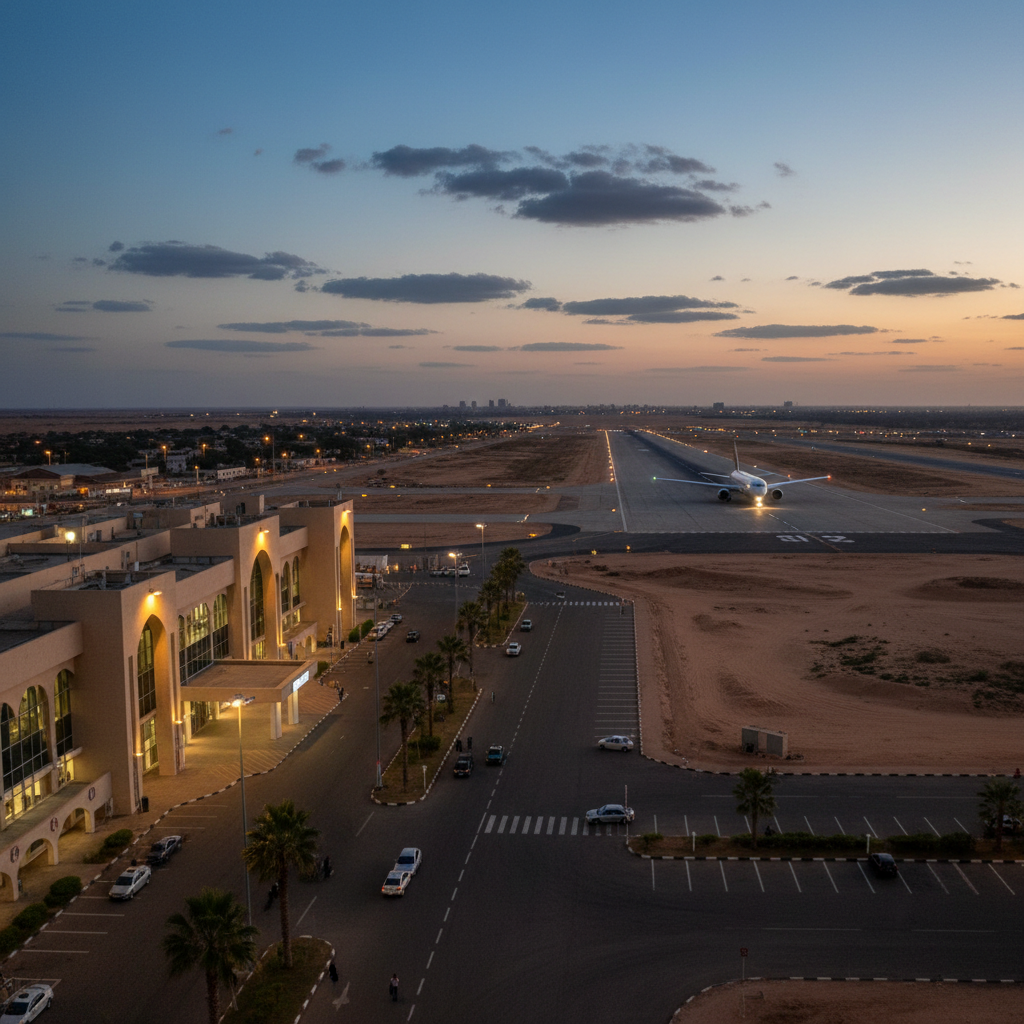
Overview
Stepping onto the tarmac at Diori Hamani International Airport (NIM) in Niamey, Niger, one immediately feels the pulse of West Africa. This isn't a sprawling mega-hub, but rather a vital artery, quietly and efficiently connecting Niger to the wider world. It's an airport that reflects its surroundings – warm, welcoming, and with a distinct rhythm. My first impressions were of the dry, arid air, a stark contrast to the humid confines of a long-haul flight, and the distinct ochre hues of the buildings bathed in the Sahelian sun. It speaks volumes about an airport that serves as a crucial link for business, tourism, and humanitarian efforts in the region.
Terminals & Layout
Diori Hamani International operates with a compact and eminently navigable layout. There isn't the labyrinthine complexity one might find in larger global airports, which, for many, is a blessing. The terminal buildings are designed with efficiency in mind, making transits and arrivals relatively straightforward. Signage, while perhaps not always multilingual to the extent of major European hubs, is generally clear and aids in orientation. From check-in to emigration and security, the process is typically streamlined, though patience, as with all travel, is always a virtue. The compact nature means that gates are usually within a short, comfortable walk, removing the stress of rushing between distant concourses. It’s an airport that allows you to breathe before your next journey.
Getting In & Out
Connectivity from Diori Hamani to Niamey city center is managed predominantly by taxis. Upon exiting the terminal, you'll find a readily available fleet, often identifiable by their distinct colours. It's advisable to agree on a fare before commencing your journey, a common and sensible practice across many regions. For those with pre-arranged hotel transfers or tour operators, representatives are usually waiting conveniently in the arrivals area. While public bus services are less common directly from the airport, the taxi network is robust enough to serve most needs efficiently and affordably. The drive into the city offers a first glimpse of Niamey's vibrant street life, an introduction to the city before you even check into your accommodation.
Food & Shopping
Given its role as a regional gateway rather than a major international shopping destination, the food and shopping options at Diori Hamani are modest yet functional. You'll find a selection of small kiosks and cafes offering snacks, beverages, and perhaps some light local fare. This is your chance to grab a final taste of Niger or stock up on water for your journey. For souvenirs, there are usually a few outlets selling local handicrafts, textiles, and traditional artworks – perfect for picking up a last-minute memento of your trip. While not extensive, the offerings cater to the immediate needs of travellers, providing a comfortable space to refresh before or after a flight.
Lounges
For those seeking a more tranquil pre-flight experience, Diori Hamani International typically offers a single, comfortable lounge facility. These spaces usually provide a quieter environment away from the main terminal bustle, often equipped with amenities like complimentary Wi-Fi, refreshments (both alcoholic and non-alcoholic), and comfortable seating. Access might be available to business or first-class passengers of specific airlines, as well as via certain lounge access programs or for a fee at the door, subject to availability. It’s a welcome respite, particularly during longer layovers or before early morning departures, allowing travellers to relax and recharge in peace.
What Makes It Unique
What truly sets Diori Hamani International apart is its authenticity as a West African airport. It’s not striving to be a gleaming, sterile international hub, but rather embracing its identity as a functional, welcoming gateway to Niger. The warm, dry air as you step off the plane, the relaxed pace, and the genuine smiles of the staff all contribute to a unique arrival and departure experience. There's a sense of community and connection here, a feeling that you are truly in Africa, rather than just transiting through an anonymous steel and glass structure. Its smaller scale fosters a more personal interaction, and the consistent backdrop of the Sahelian landscape reminds you of your profound location. It’s an airport that leaves an impression long after you've left the terminal, a true reflection of the region it serves.

Airspace Times Team
Aviation news desk
Published: 27 Apr 2026
Share to:
Latest news
Related airports
powered by We Do Dev Work 
We use cookies and similar technologies to enhance your Browse experience, personalize content and ads, provide social media features, and analyze our traffic. By clicking 'Accept All' or continuing to use our website, you consent to the use of cookies as described in our Cookie Policy