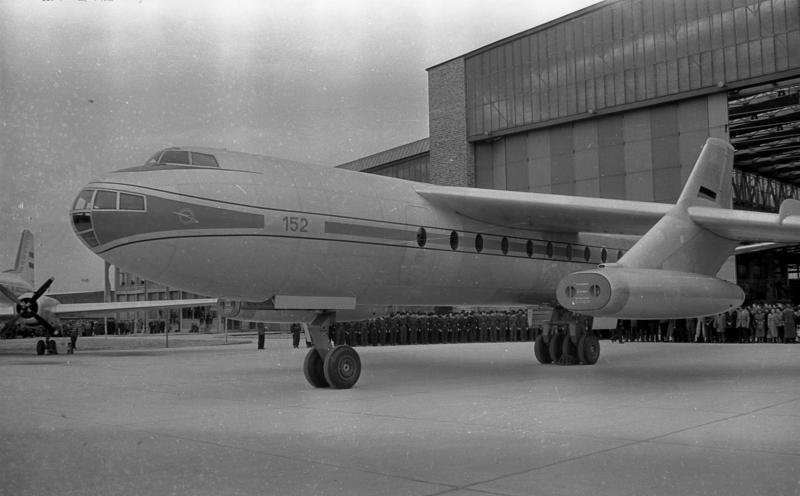
In 1958, East Germany unveiled its attempt to compete in modern commercial aviation with the Baade 152, the country's first jet airliner. Despite a promising debut, the aircraft faced numerous technical flaws stemming from its bomber origins and political interference. The aircraft's high-wing design, bicycle landing gear, and Soviet engines contributed to its operational difficulties.
The second test flight in March 1959 ended in disaster when the plane crashed near Ottendorf-Okrilla, resulting in the loss of all four crew members. An investigation revealed potential causes, including fuel system faults and pilot misjudgment, but the definitive reason remains uncertain. The crash effectively ended the program, and by 1961, the industry was shut down under pressure from Moscow, which favored other Soviet-designed aircraft.
The Baade 152 project symbolized the perils faced by political ambitions in high-technology industries, especially when based on unproven and outdated designs. Today, only a solitary fuselage and some engine parts remain as relics of East Germany’s brief aviation endeavor, illustrating the broader story of technological aspiration abruptly halted by political and technical failures.

