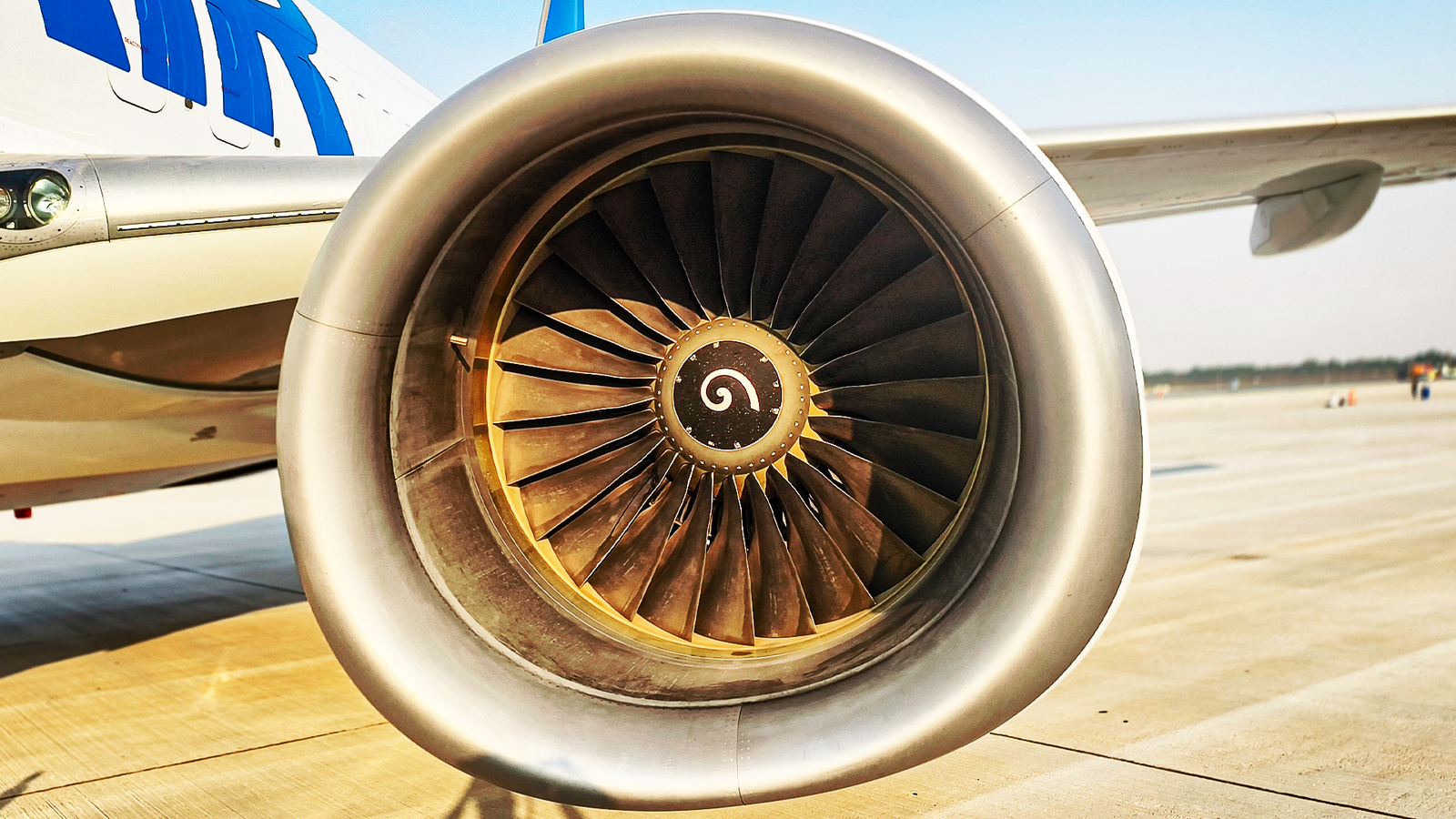
As Boeing 737NG aircraft reach their end of service, the engines under their wings become increasingly valuable assets. Each CFM56-7B engine, depending on its remaining life and condition, can be worth between $3.8 million and $7.1 million for half-life maintenance. Expert analysis indicates that once engines, landing gear, and avionics are removed, the airframe typically holds little to no residual value, making engines the primary focus for investors in aircraft disassembly and reuse.
The demand for spare engines and overhauls has surged since 2020, driven by production constraints on newer engine types like LEAP series and delays in new aircraft deliveries. Airlines and leasing companies often lease engines at approximately $45,000 per month, which can generate considerable long-term revenue, contrasting with the minimal or zero value of the airframe after decommissioning. This economic disparity has shifted the market dynamics, making engines more lucrative as disassembled components or power turbines than the aircraft itself as an operational asset.
Market Drivers and Conversion Uses
Supply chain disruptions and rising overhaul costs have further elevated engine values, while airframe depreciation continues to accelerate. Leading companies like FTAI Aviation, which owns over 450 CFM56 engines, have expanded into converting retired engines into power turbines for AI data centers, representing a new revenue stream. This diversification underscores the evolving second career for aircraft engines and the clear economic incentives to prioritize engine disposal and reuse over airframe recycling.
"The divergence between rising engine values and falling airframe worth makes a retired 737 more valuable in parts than flying," explained industry analysts.
In conclusion, the valuation of retired Boeing 737NG engines surpasses that of the aircraft itself due to technological, economic, and supply chain factors. Companies managing aircraft disassembly focus heavily on engine parts, which remain in high demand for overhauls, leasing, or repurposing into power turbines, signifying a significant transformation in aircraft asset lifecycle management.

