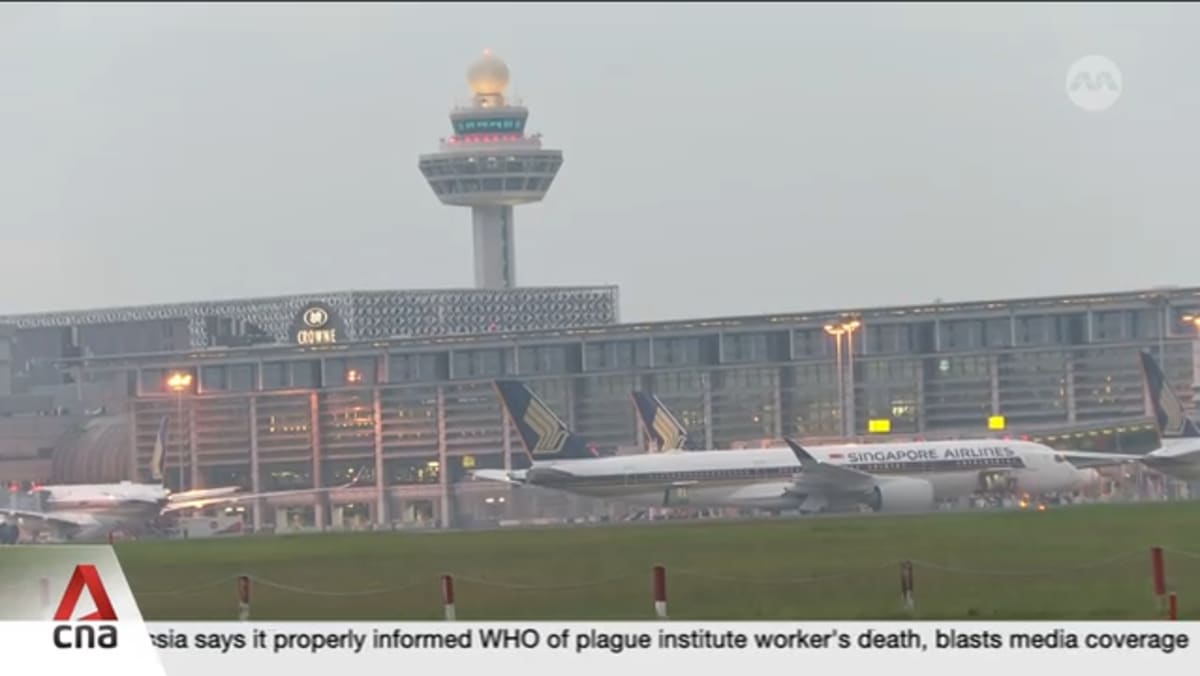
Singapore's economy experienced a significant boost from aviation-related activities in 2025, with a total contribution estimated at US$22 billion. This figure represents the largest boost among ASEAN countries and underscores the vital role of aviation infrastructure in regional economic development. As passenger traffic across ASEAN is projected to more than double over the next decade, substantial investments in airport capacity are deemed necessary.
A recent study conducted by an industry group representing airports across the ASEAN region estimates that approximately US$108 billion will be required for airport expansion by 2036. The findings highlight the increasing demand for air travel and the corresponding need for sustainable infrastructure to support economic growth and regional connectivity.
Implications for Future Investment and Regional Growth
Singapore's Changi Airport remains a key hub in the region, facilitating a large proportion of the travel and commerce that drives this economic uplift. Authorities and industry stakeholders emphasize the urgency of mobilizing investments to upgrade existing facilities and develop new airport projects. This strategic focus aims to enhance capacity, improve passenger experience, and support Singapore's position as an international transit and business hub.
Officials from the industry note that maintaining strong aviation links will be crucial for sustaining Singapore’s economic momentum and enhancing regional integration. The study underscores that a sustained focus on airport development will help handle the growing traffic, mitigate congestion issues, and foster sustainable growth in the ASEAN aviation sector.
The aviation sector is integral to Singapore's economic resilience and regional growth. Continued investment in airport infrastructure is critical to support expanding passenger and cargo flows,
The projection of US$108 billion in infrastructure investment also aligns with regional development goals, aiming to make ASEAN a competitive and resilient aviation market. As air travel demand rises, strategic planning and funding will be key to ensuring infrastructure keeps pace with economic and demographic changes, enabling the region to capitalize on tourism, trade, and investment opportunities.
Looking ahead, Singapore and ASEAN nations are expected to prioritize sustainable and efficient airport expansion to meet future demands. This approach will be essential for supporting economic growth, ensuring environmental sustainability, and maintaining regional leadership in the global aviation industry.

