Chinese aviation authorities are proposing reforms to improve travel accessibility for passengers with disabilities, particularly wheelchair users. The draft regulations, open for industry input, aim to allow passengers to check in their personal wheelchairs at the boarding gate instead of the check-in counter, enabling them to remain in their own chairs throughout the airport journey.
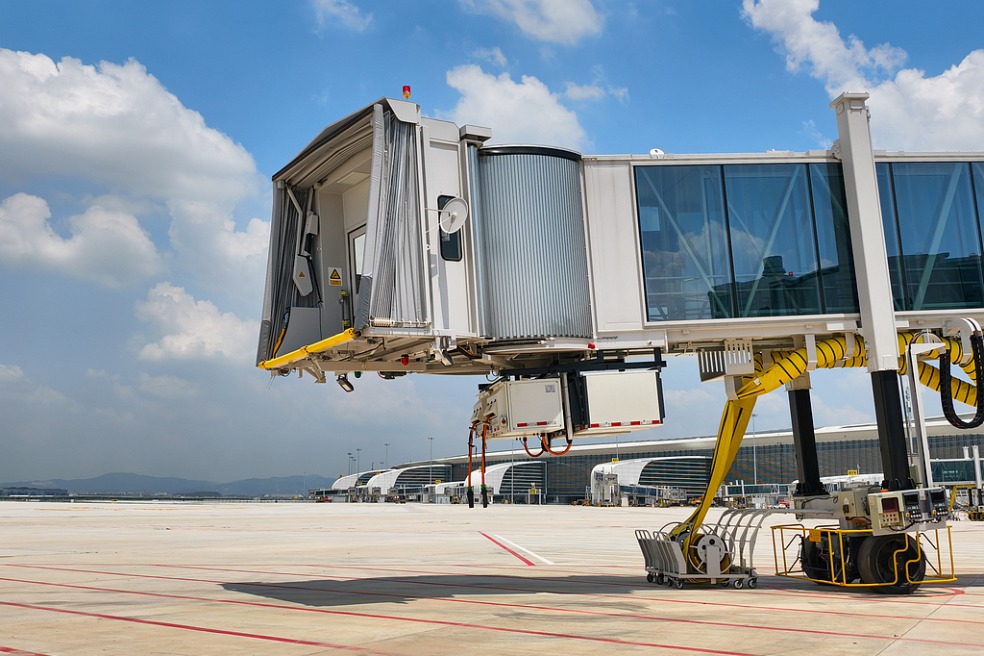
This initiative also encourages airports to extend services to electric wheelchair users, who encounter check-in obstacles due to battery restrictions. Airlines are instructed to prioritize boarding via aerobridges where feasible and to use ramps to bridge height differences, fostering a safer and more dignified boarding process.
Many wheelchair users have long favored high-speed trains over air travel because of concerns about device damage, unsafe transfers, and poorly fitting airport chairs. The proposed aviation reforms, supported by safety and accessibility measures, seek to address these issues and enhance the rights and comfort of passengers with disabilities. Officials vow to improve facilities and provide better staff training to ensure respectful assistance and barrier-free environments at airports.
By instituting these reforms, China aims to foster a more inclusive aviation environment that aligns with the principle of "aviation for the people," safeguarding the travel rights of persons with disabilities and improving their overall travel experience.

