Egypt’s civil aviation sector is undergoing significant modernization efforts as outlined by Minister Sameh El-Hefny. During a recent parliamentary meeting, he detailed plans to expand airport infrastructure, notably constructing Terminal 4 at Cairo International Airport, which is expected to increase capacity to over 60 million passengers annually. This project aims to incorporate advanced technologies to improve operational efficiency and passenger experience, reinforcing Cairo’s role as a regional aviation hub.
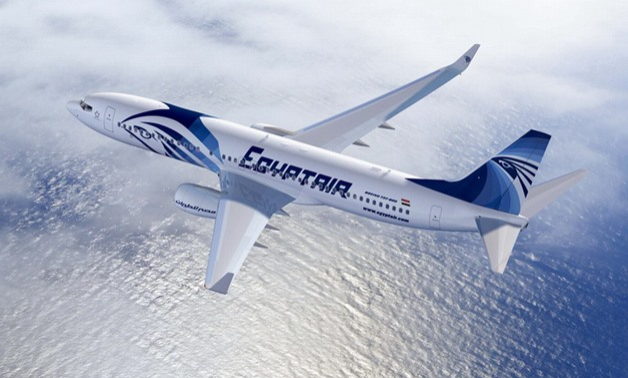
The strategy also emphasizes fleet expansion, with EgyptAir planning to add 34 aircraft by 2030/2031, reaching a total of 97 planes. The airline has improved its global ranking to 68th in the 2025 Skytrax list and aims to eliminate its accumulated losses within four years. Additionally, Air Cairo will expand its fleet from 41 to 82 aircraft, contributing about 20% to inbound tourism traffic and 30% of arrivals at Hurghada International Airport, with efforts to better integrate its operations with EgyptAir.
Sustainability is a core focus, with efforts to expand solar energy usage at Cairo and Alexandria airports and a potential domestic facility to produce Sustainable Aviation Fuel (SAF). Egypt’s digital transformation includes the implementation of a fully digital passport system at Cairo Airport, with plans for gradual expansion across other airports. Preparations for the upcoming Hajj season are also underway to ensure smooth travel experiences for pilgrims. Overall, the government remains committed to building a sustainable, efficient, and competitive aviation industry.

