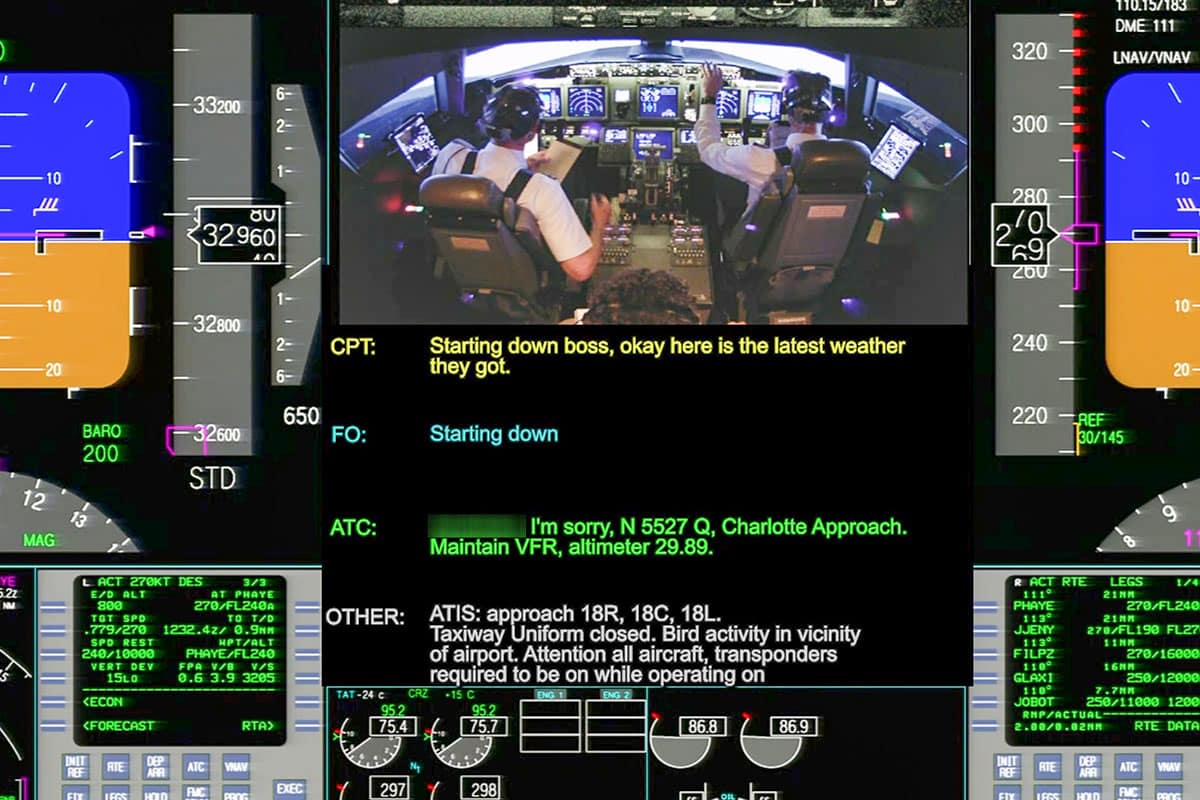
Recent research at Embry-Riddle Aeronautical University, in collaboration with NASA, aims to understand the behaviors that contribute to resilient and positive pilot performance in aviation safety. By analyzing simulator sessions and accident reports using advanced data processing techniques, the study seeks to identify practices that pilots employ to anticipate and respond to operational challenges successfully.
Dr. Kristy Kiernan, the project’s lead investigator, highlights that the study employs automatic speech recognition and natural language processing to evaluate pilot actions and debriefings. This approach helps create a comprehensive picture of how pilots manage complex situations, ultimately informing training and safety protocols.
Major airlines such as American and Southwest are actively engaged in debriefing initiatives focused on positive operational performance. These efforts underscore the industry's recognition that resilience mostly resides in human capabilities, even as automation becomes more prominent in the cockpit.
The findings advocate for a shift in safety culture, emphasizing learning from successes alongside analyzing errors. As the aviation environment grows more complex with increasing numbers of drones and advanced aircraft, the insights gained from this research could play a key role in ensuring safety and resilience in future operations.

