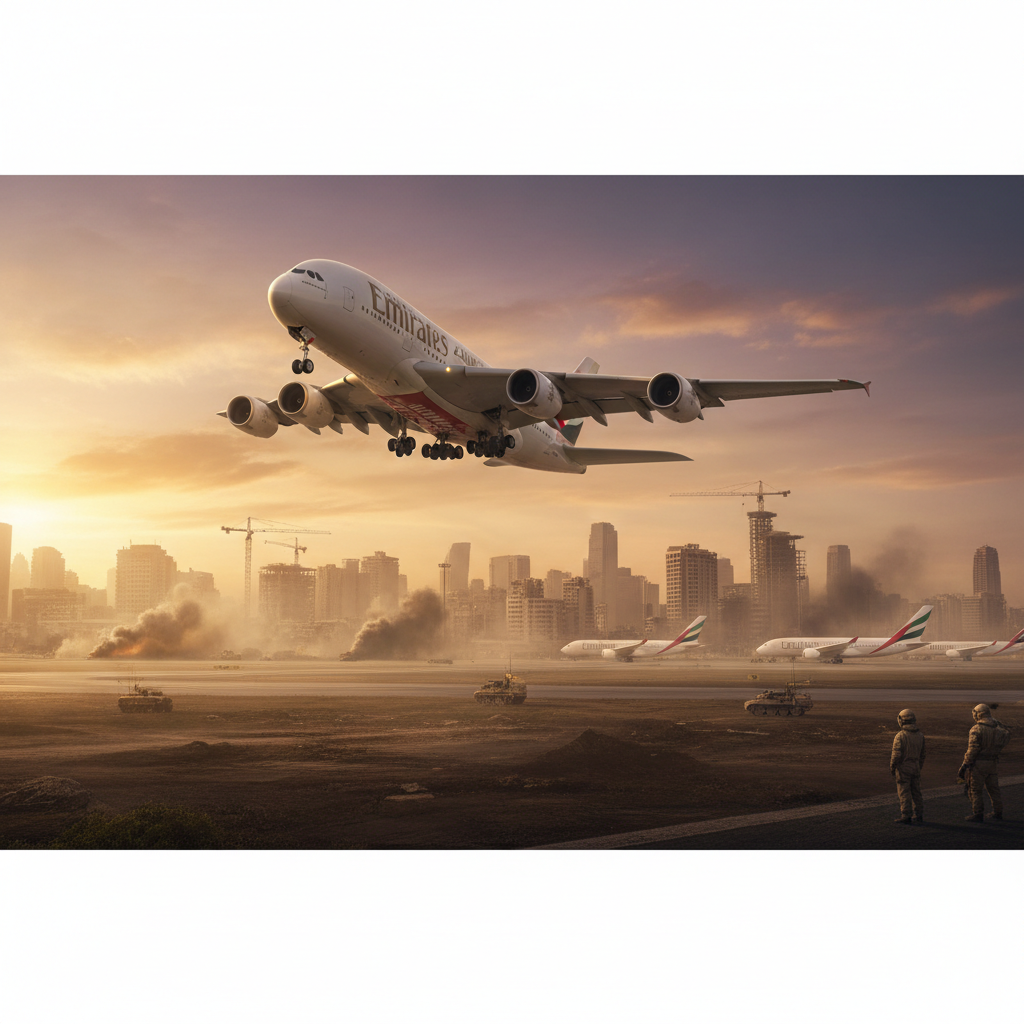
Following the launch of hostilities between the United States, Israel, and Iran in late February, Emirates Airlines has maintained its fleet expansion plans by continuing to take delivery of Airbus A350 aircraft it has ordered. The regional aviation landscape has been significantly affected by the conflict, yet Emirates, along with other Gulf carriers like Qatar Airways and Etihad Airways, have largely kept operational updates discreet, balancing wartime circumstances with their strategic commitments.
Despite the regional tensions, Emirates' strategy appears to focus on ensuring continuity of fleet modernization and growth, signaling confidence in their long-term outlook. The delivery of Airbus A350s—modern, fuel-efficient aircraft designed for long-haul routes—underscores the airline's intent to maintain its competitive edge and expand its network even amidst geopolitical challenges.
Regional Aviation amid Regional Conflict
The ongoing conflict has prompted airlines across the Middle East to adjust operations, with some reducing or resuming schedule adjustments. Emirates has not publicly indicated any immediate plans to halt deliveries or confront operational issues, suggesting a focus on long-term resilience and operational stability.
"Continuing aircraft deliveries during turbulent times exemplifies our commitment to growth and operational resilience," said an Emirates spokesperson.
Analysts observe that Emirates' continued investment in new aircraft models could help the airline adapt to any future changes in demand while maintaining service quality and fleet modernization. The regional tension remains a concern for the broader aviation industry, but Emirates and its Gulf counterparts appear to be navigating the crisis with a focus on strategic resilience.
As the situation unfolds, industry experts will be watching closely whether the airline’s ongoing expansion efforts will be sustainable amid the ongoing Middle East conflict and uncertain geopolitical landscape.

