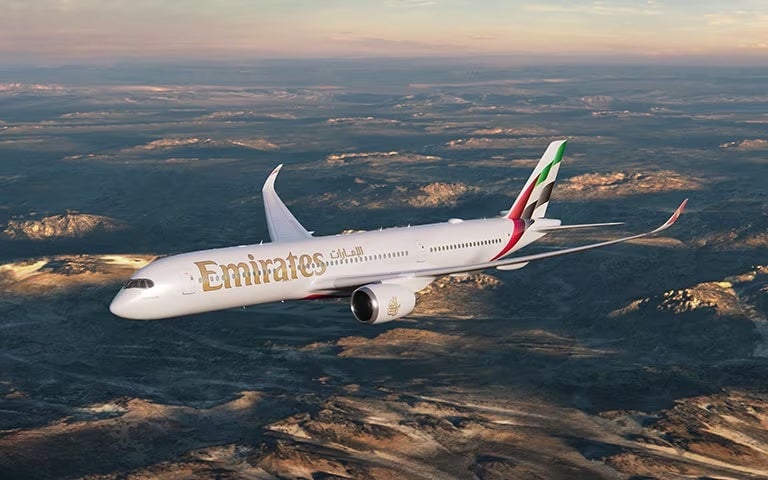
Emirates Airlines has begun integrating Starlink satellite internet into its fleet to improve in-flight connectivity for passengers. The initiative, started in November 2025, addresses the limitations of previous legacy systems that frequently resulted in passenger complaints about Wi-Fi performance. By utilizing Starlink’s advanced satellite constellation, including satellite-to-satellite laser links, Emirates aims to provide consistent high-speed internet with significantly lower latency, even over open ocean routes where ground-based connections are unavailable.
Patrick Brannelly, the senior vice president of IFE & Connectivity at Emirates, highlighted that the move was driven by the need for reliable, fast internet in the airline industry. He stated that Starlink’s technology approach, which emphasizes simplicity and high performance, was a key factor in the decision. Emirates plans to complete the deployment across its Boeing 777 fleet by mid-2027 as part of a $5 billion refurbishment program, positioning itself at the forefront of passenger connectivity services.
Industry Context and Future Implications
The adoption of Starlink reflects a wider trend within the aviation sector toward leveraging innovative satellite solutions to meet rising data demands. Brannelly pointed out that recent high-usage incidents on shorter flights demonstrate the necessity for robust, future-proof connectivity infrastructure on all aircraft. This strategic move underscores Emirates’ commitment to maintaining high standards of passenger experience by harnessing cutting-edge satellite technology to stay ahead of evolving technology requirements.

