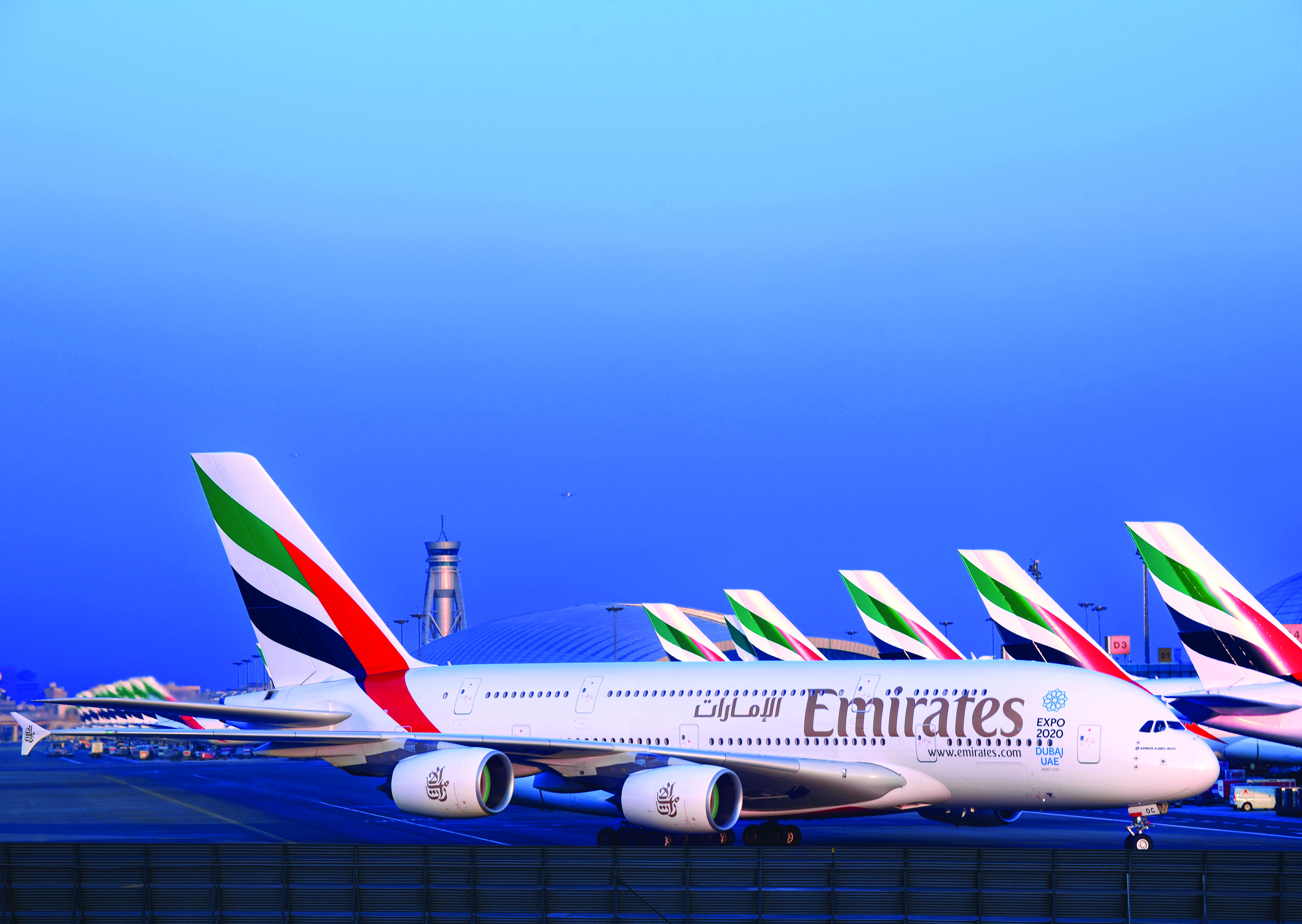
Emirates has traditionally operated a fleet primarily comprising only the Airbus A380 and Boeing 777, a strategy designed to maximize efficiency and brand consistency across its network. By focusing on large-capacity aircraft, the airline streamlined crew training, maintenance, and onboard service, which contributed to its rapid growth and presence as a major international carrier.
Yet, this reliance posed limitations, especially when operational issues affected the fleet's main aircraft. In response, Emirates is now transitioning towards a more flexible fleet model with the addition of the Airbus A350 and the Boeing 777X. The A350-900 offers a smaller, more fuel-efficient aircraft capable of serving routes with moderate demand, while the 777X will replace older 777s, maintaining high capacity but with increased operational flexibility.
Strategic Realignment for Future Growth
This shift signifies Emirates' move from a scale-focused operator to one emphasizing adaptability. The new fleet allows for increased route diversity, higher frequencies, and improved responsiveness to market demands. The airline's objective is to optimize its network for a changing travel landscape, ensuring sustainable growth and competitiveness in the global aviation industry.

