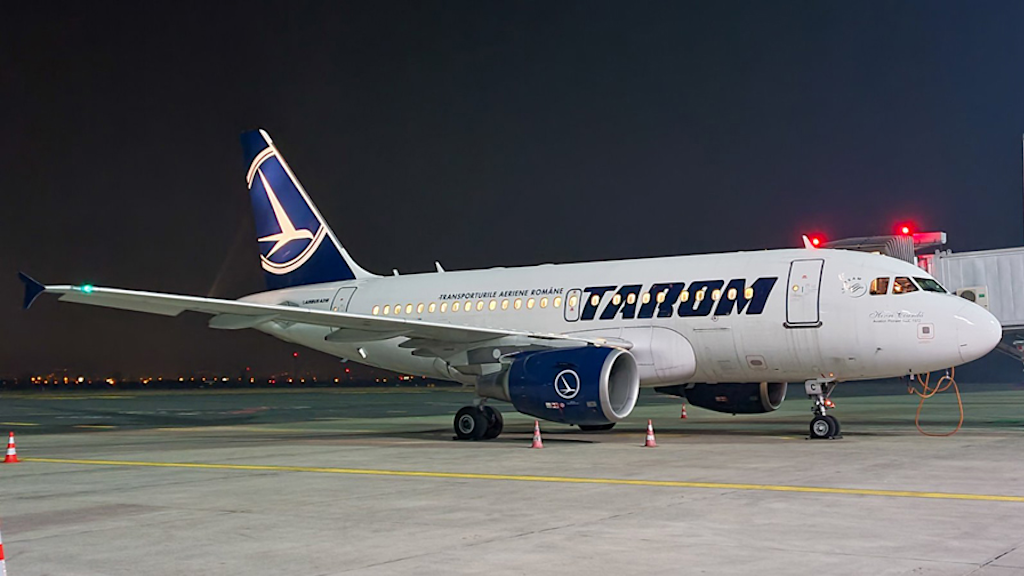
The Airbus A318, known as the smallest member of the A320 family, is approaching the end of its operational life. Introduced in 2003, the aircraft was designed to serve a niche between regional jets and larger narrowbody aircraft but did not achieve widespread market success. Over the years, production totaled 81 units, with deliveries mostly in the mid-2000s. In November 2024, only 54 remain in service, with operators including Air France and government or private entities. The final withdrawal from scheduled passenger service is anticipated during 2026.
Technically, the A318 shared many characteristics with other A320 family jets, including cockpit commonality and type rating. It typically accommodated around 107 passengers in a two-class layout and was certified for steep approaches, enabling flexible operations from shorter runways. However, market positioning proved challenging against competing regional jets like the Embraer E190/195 and the CRJ1000, which offered lower operating costs for similar passenger capacities.
Moreover, the A318’s higher list prices compared to purpose-built regional jets made it less attractive. The introduction of the Airbus A220, specifically tailored for the 100-150 seat segment, further reduced the A318's market appeal by offering better economics, fuel efficiency, and modern cabin features. Consequently, airlines have been shifting demand towards these newer platforms.
In summary, the retirement of the A318 is a natural progression driven by evolving industry trends. While it was a technically intriguing effort to extend the A320 family into smaller markets, current market dynamics favor specialized aircraft designed from the ground up for those niche requirements, signaling a shift away from derivatives of larger models.

