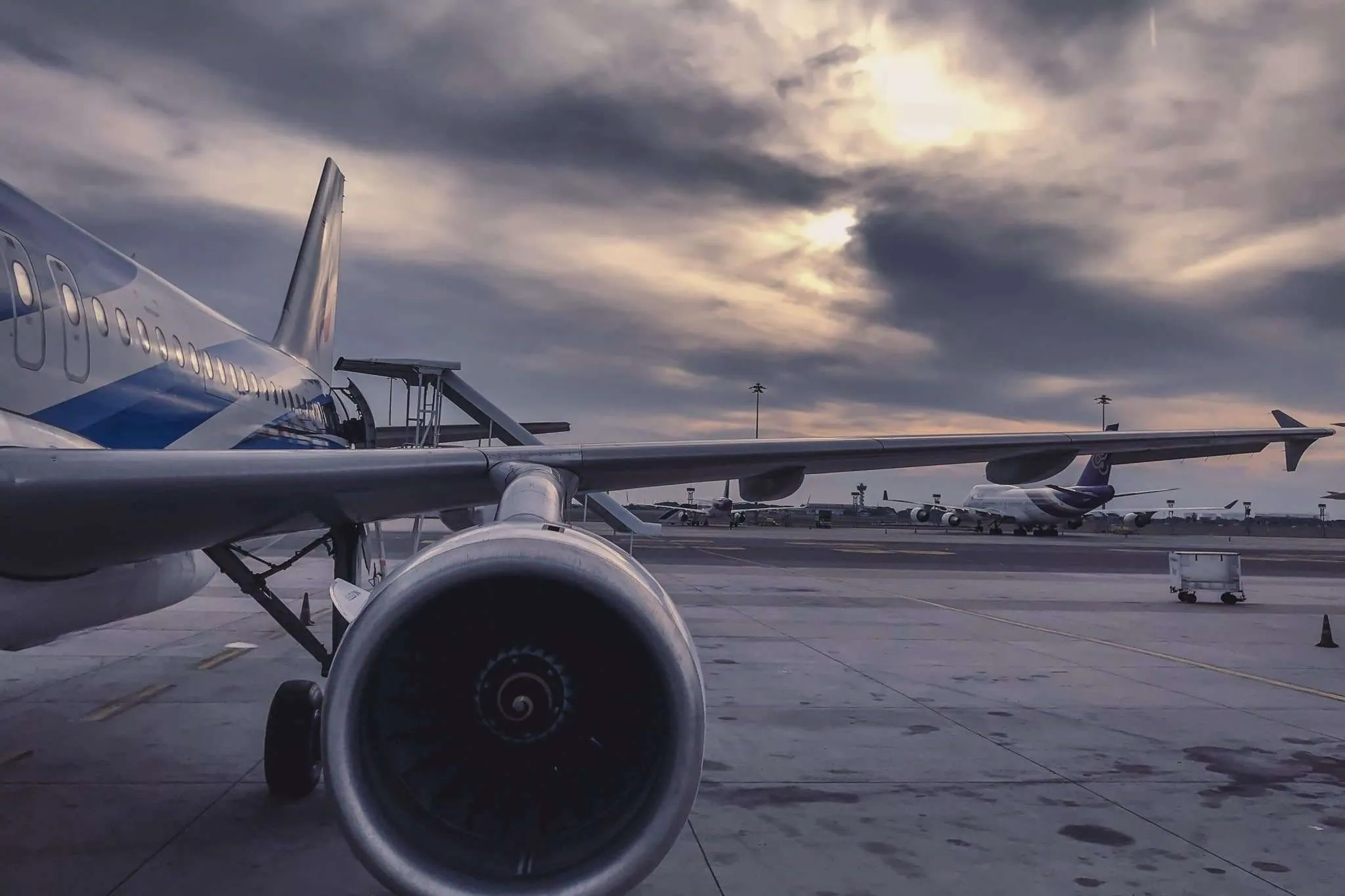
November is recognized as Aviation History Month, highlighting the sector's significant advancements and lessons learned from past accidents and technological progress. Over the past century, aviation has transformed from short flights of seconds to ultra-long-haul journeys exceeding 17 hours. It is anticipated that global air passenger numbers will double by 2040, reaching 8 billion, necessitating enhanced safety and sustainable practices amidst increasing air traffic.
Historical safety standards have evolved from mechanical checklists to formal procedures, especially post mid-20th-century crashes like Tenerife and Delta Flight 191. International cooperation through ICAO in 1944 established standardized protocols. The advent of digital tools in the 1990s led to frameworks such as Safety Management Systems, with ongoing technological advancements including AI, cyber security, and quantum computing exploring new safety domains.
Recent Developments and Summits
The Aviation Safety Transformation Summit 2025 in the UAE emphasized systemic safety reforms, digital integration, global standards, and data-sharing frameworks. Investments in AI and machine learning for predictive analytics, along with specialized training, were key focus areas. Ensuring safety relies on technology serving as an enabler rather than a replacement for human oversight. Importantly, data governance and transparency are vital as the industry adopts emerging technologies.
The UAE’s high ICAO safety score of 98.86, achieved through AI-supported oversight, exemplifies proactive safety measures. Nonetheless, technologies like AI and quantum computing present risks such as bias, data poisoning, and regulatory gaps. Cyber vulnerabilities like data breaches remain concerns. The summit underscored the importance of human workforce adaptation, including pilot, engineer, and inspector training, alongside fluency in data science.
Safety and sustainability are increasingly intertwined, with environmental stresses like climate change intensifying turbulence and other risks. Addressing these challenges requires continuous learning from aviation history and applying lessons to current innovations. The future of aviation depends on balancing technological progress, regulatory rigor, and human expertise for safer skies.

