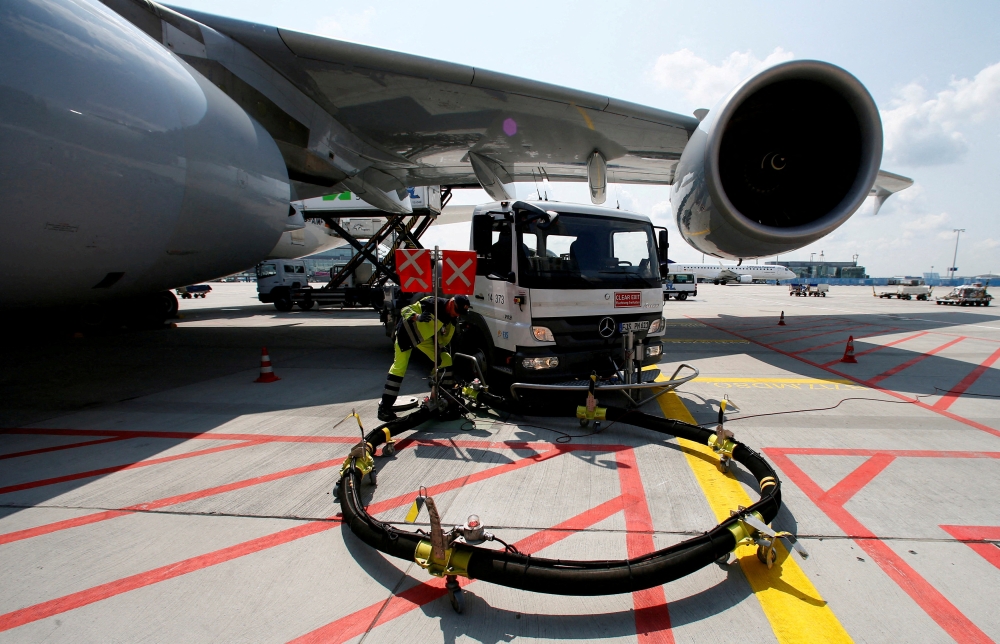
The European Union Aviation Safety Agency (EASA) is actively preparing recommendations that could permit airlines to use Jet A as an emergency alternative to Jet A-1, the standard European jet fuel, in case of supply disruptions. This move comes amidst concerns over geopolitical tensions and potential shortages that could impact fuel availability for EU carriers.
According to the agency, most aircraft certified for European operations are approved to operate on both types of fuel and are already being blended on flights originating from the United States. While the agency has yet to set a definitive timeline for issuing these guidelines, the development reflects the need for contingency planning within the industry.
Context of Fuel Supply Disruptions
The recent tensions surrounding Iran have contributed to the de facto blockade of the Strait of Hormuz, a critical maritime route for oil and liquefied natural gas supplies from the Persian Gulf to global markets. This situation has raised concerns about possible fuel shortages in the near future, with European officials acknowledging the risk within five to six weeks.
"Most EU aircraft are certified to operate on both Jet A-1 and Jet A, and they are already being blended on flights from the US," said a spokesperson for EASA.
The strategic importance of the Strait of Hormuz and the current geopolitical tensions underline the need for flexible fuel options to ensure continued air travel operations across Europe. The proposed recommendations aim to mitigate the risk of aviation disruptions and maintain safety standards during supply shortages.
While the aviation industry prepares for potential supply challenges, authorities continue to monitor the situation closely, emphasizing the importance of diversified fuel sourcing and contingency measures to sustain operations amid geopolitical uncertainties.

