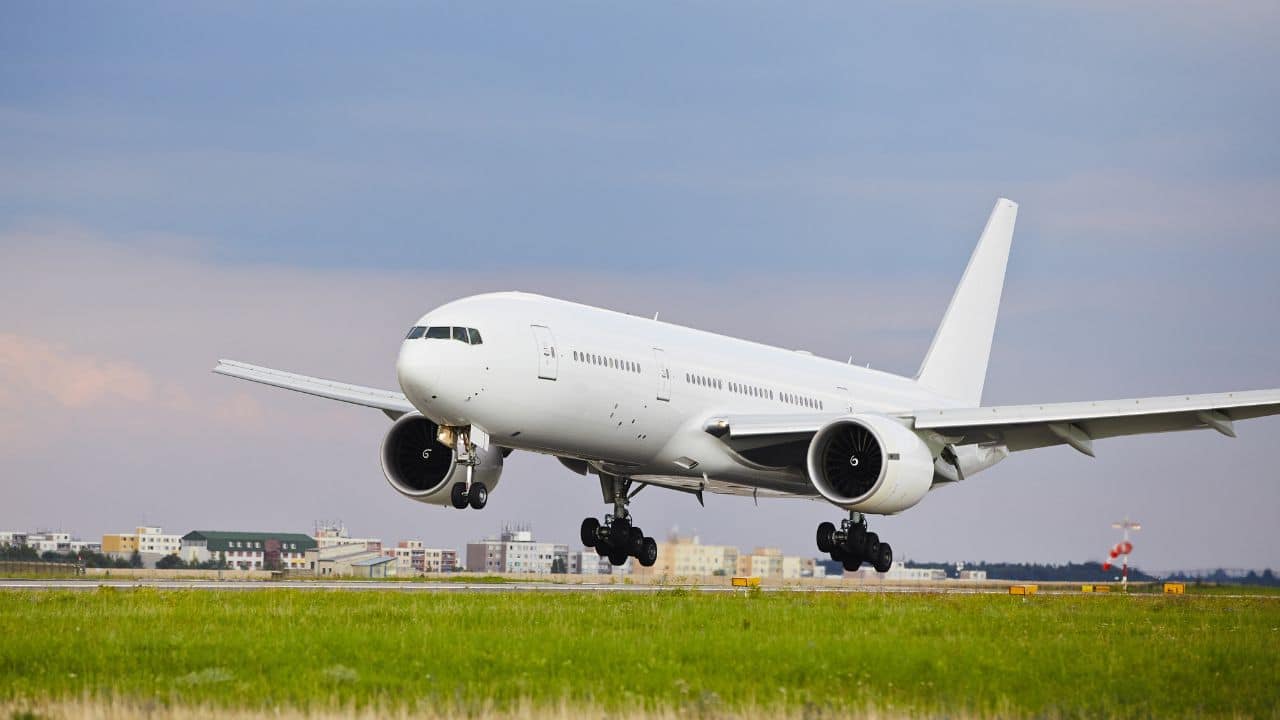
In November 2023, Corendon Airlines introduced an adults-only zone on its flights from Amsterdam to Curacao, marking Europe's first trial of a child-free cabin section. Located at the front of the Airbus A350-900, this quiet zone consists of 102 seats and charges passengers an extra fee ranging from €45 to €100 depending on seat type. The move responds to passenger demand, with surveys indicating a growing preference for child-free travel, especially among adult travelers seeking peace during long-haul flights.
Several Asian airlines, such as Scoot, AirAsia X, and IndiGo, have long offered similar zones without attracting significant media attention. Japan Airlines has implemented a seat map allowing customers to avoid seating near infants under two, providing more control for sensitive passengers. The rationale behind these offerings is to improve overall passenger experience by creating designated spaces that reduce stress and conflict between different passenger groups.
Despite the trend, U.S. airlines like Delta, United, and American Airlines have yet to introduce similar child-free policies, citing cultural differences and concerns about discrimination or backlash.
Nonetheless, the debate persists on whether such zones address noise and comfort issues or reinforce social divisions. Critics argue that separating families from childless travelers could foster intolerance, while advocates see it as a practical solution to enhance passenger well-being. As the industry evaluates these innovations, it remains to be seen whether the concept will gain broader acceptance in North America or remain an Asian and European niche.

