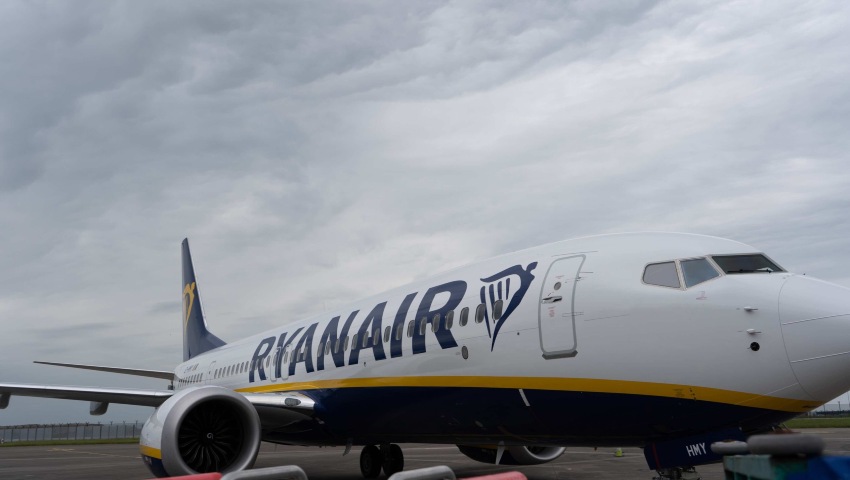
The European aviation industry is facing significant challenges as major low-cost carriers warn that rising taxes in the United Kingdom threaten future growth and operational stability. Ryanair and Wizz Air have expressed concerns that increased Air Passenger Duty (APD) and airport charges could make operating in the UK less profitable, leading to a reduction in services and a potential shift to more favorable markets.
The UK government’s decision to escalate flight taxes, set to take effect in 2026, is at the heart of these fears. The new tax regime will raise costs for passengers on domestic, short-haul international, and long-haul flights. For instance, taxes on domestic economy flights will increase from approximately $9.21 (£7) to $10.52 (£8), while long-haul travelers may see charges reaching up to $139.44 (£106) for flights over 5,500 miles. Premium passengers flying the longest routes could face taxes up to $1,500 (£1,141).
Operational Impact and Market Shift
Some airlines, notably Ryanair, have already begun adjusting their route networks, reducing capacity in countries like Germany and France due to higher taxes. Ryanair has also shifted services from UK airports like Newquay, Cornwall, to more cost-effective markets such as Sweden, where passenger duty is abolished. The airline’s upcoming fleet expansion of around 300 aircraft highlights its focus on profitability and strategic location choices amidst these rising costs.
"Higher taxes threaten to undermine the UK’s position as a leading aviation hub,"
said Ryanair.
Airport operators are similarly concerned, with London Gatwick Airport warning that increased business rates could hamper investments like its planned second runway. The economic contribution of aviation to the UK is substantial, supporting around 400 jobs per aircraft and contributing approximately $35 million annually, but this could be compromised by ongoing tax hikes. Regional airports are particularly vulnerable, with lower-cost carriers reducing capacity due to uncompetitive airport fees, which could lead to fewer routes and diminished connectivity across the country.
Overall, industry analysts forecast a potential contraction in the UK’s aviation sector unless the government balances revenue needs with a sustainable growth strategy. With rising taxes poised to make operations less attractive, airlines may intensify their shift toward regions with more favorable fiscal environments, risking the UK’s competitive standing in global aviation.

