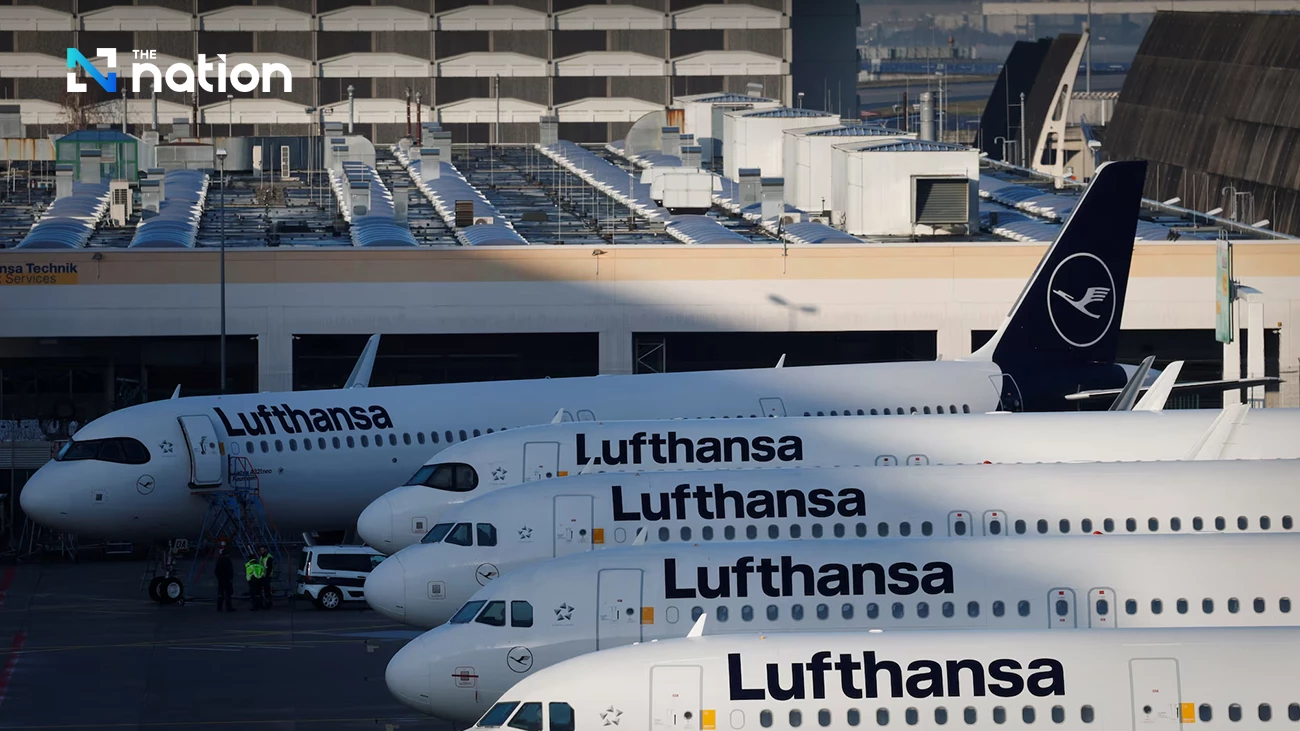
The European aviation industry faces a critical fuel shortage as a result of the ongoing blockade of the Strait of Hormuz, which has severed a significant portion of global jet fuel supplies. Industry authorities warn that if the situation persists, it could lead to a systemic fuel crisis affecting thousands of flights and the broader economy.
Numerous airports in Northern Italy, including Milan Linate, Bologna, Venice, and Treviso, have already introduced emergency fuel rationing measures. Short-haul flights are now restricted to just 2,000 liters of fuel, reducing operational ranges to under an hour and forcing cancellations of many domestic routes.
Fuel prices have surged to over $1,573 per tonne, doubling previous levels, placing intense pressure on airlines. Ryanair has canceled 1,000 flights this month and foresees further capacity cuts, while other airlines such as Lufthansa, Delta Air Lines, and LOT Polish Airlines are adjusting routes and fares to cope with the crisis.
Experts from the industry and organizations such as ACI Europe are calling for coordinated measures. They propose joint procurement schemes, mandated refinery production priorities for aviation fuel, and a centralized system for monitoring fuel reserves to prevent potential disruptions during the upcoming travel season. If policy action is delayed, the European summer travel plans are at serious risk.

