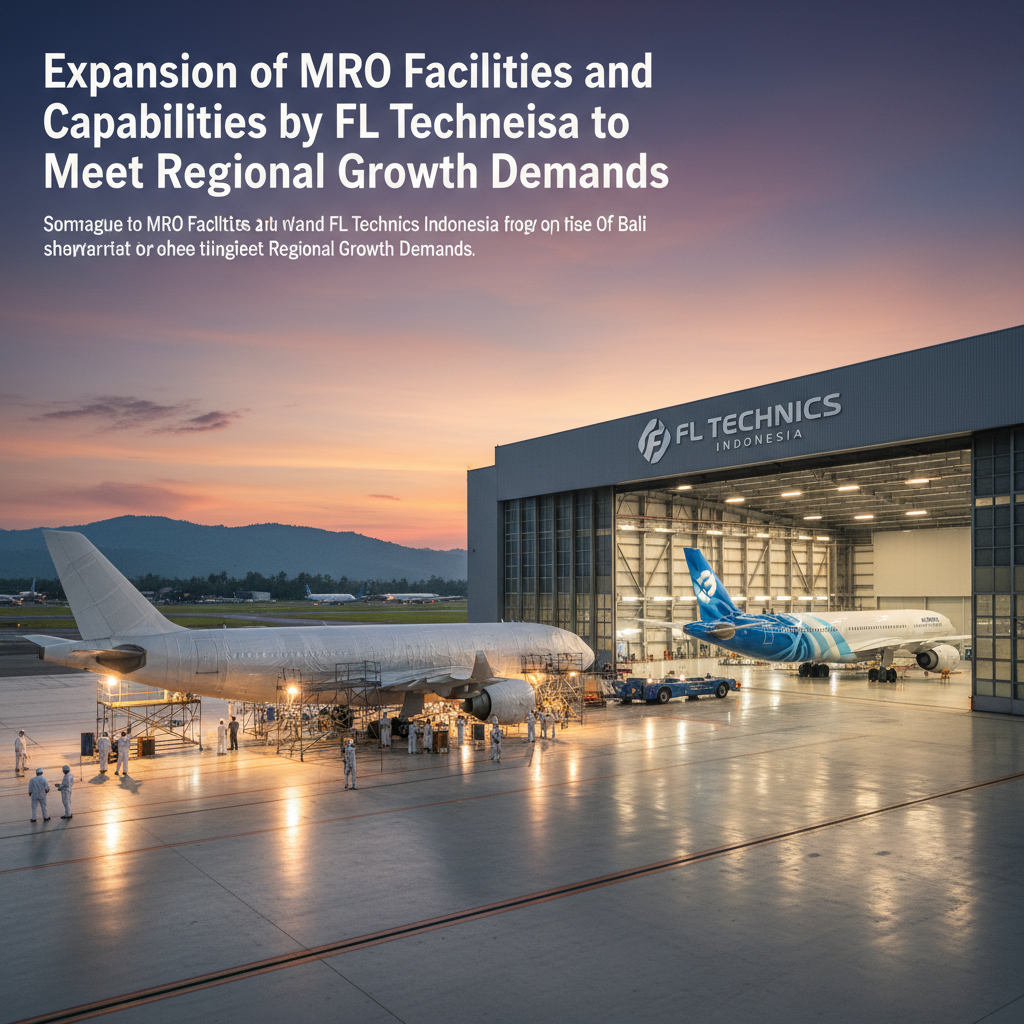
FL Technics Indonesia has expanded its operational footprint by opening a new aircraft painting facility in Bali, supporting its broader growth strategy within the Southeast Asian market. Celebrating a decade of presence in Indonesia, the company boasts over 44,500 square meters of hangar and office space across Jakarta and Bali, staffed by more than 700 aviation professionals. Its maintenance portfolio encompasses base and line servicing for popular narrowbody aircraft such as Airbus A320 family and Boeing 737 series, along with engine types including Pratt & Whitney PW1100G, CFM series, Leap family, and IAE V2500.
The Indonesian market continues to demonstrate significant resilience, driven by increasing passenger traffic and fleet expansion. Elevated aircraft utilization rates and delays in new aircraft deliveries are prompting airlines to accelerate maintenance schedules—particularly heavy maintenance and aircraft redelivery work—creating valuable opportunities for regional MRO providers. FL Technics Indonesia’s infrastructure expansion plans, especially at its Jakarta facility, aim to address this growing demand effectively.
Expansion of capabilities and logistics support
The company has introduced a dedicated aircraft painting center at its Bali location, completing ten projects by late August, illustrating strong market demand. To tackle logistical challenges, FL Technics Indonesia operates a bonded logistics center, reducing lead times for imported parts. Despite persistent challenges like sourcing components and a talent shortage of certified engineers, the company invests heavily in technical training and certification to boost its workforce capacity.
"Our strategic focus is on expanding capacity and service offerings to support regional fleet growth," said Martynas Grigas, Chairman of FL Technics Indonesia.
With multiple civil aviation regulatory approvals, the company aims to broaden its support to additional operators across Southeast Asia. Future plans include further infrastructure development and capacity expansion, particularly in heavy maintenance, to meet the region’s increasing needs amid ongoing fleet aging and high utilization.

