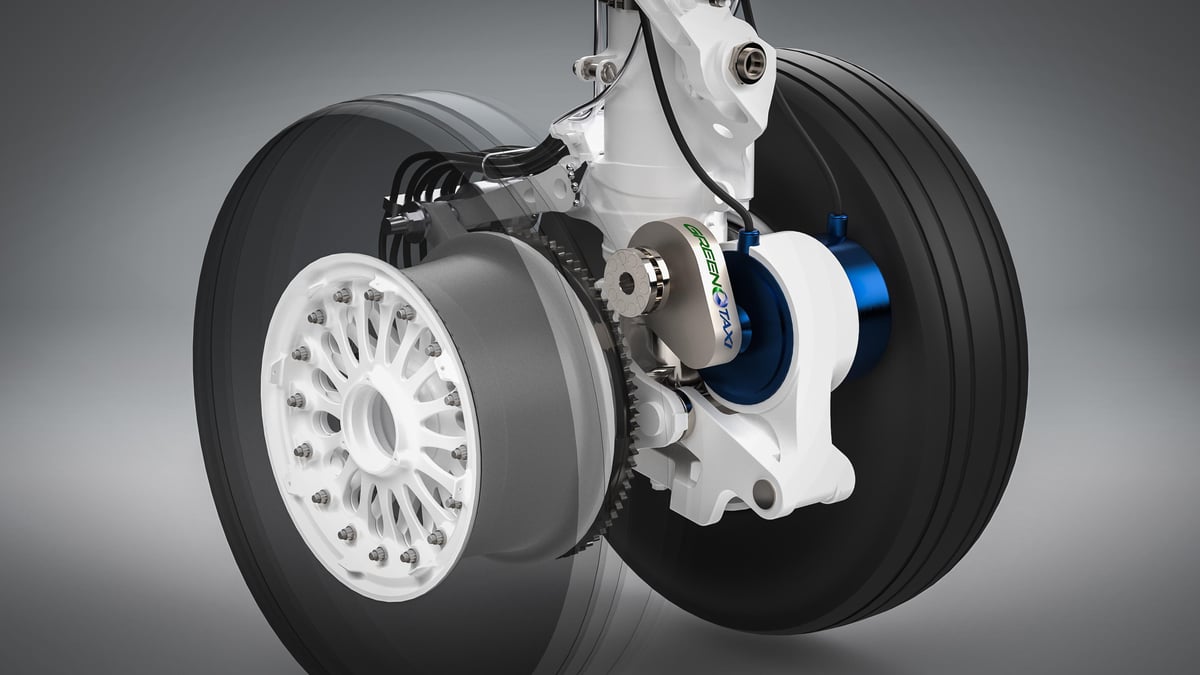
The Federal Aviation Administration (FAA) has approved Green Taxi Aerospace's innovative 'Zero Engine Taxi' certification plan. This system retrofit involves installing electric motors into aircraft landing gear, powered by auxiliary power units (APUs), allowing aircraft to taxi without engaging their main engines. The FAA anticipates issuing a supplemental type certificate (STC) by 2027, marking a significant milestone for sustainable ground operations in aviation.
This technology aims to reduce aircraft fuel consumption and decrease environmental impact by eliminating the need to run main engines during taxi, thus contributing to industry efforts to lower emissions and noise pollution. Green Taxi Aerospace's approach underscores industry push toward greener solutions and aligns with global climate goals.
Industry Implications and Future Outlook
"This certification paves the way for airlines and aircraft operators to adopt greener ground maneuvering solutions," according to a Green Taxi Aerospace spokesperson. The company is planning collaborations with aircraft manufacturers to implement the system across various fleets, promising a step forward in sustainable aviation practices.
Widespread adoption of zero-engine taxiing is expected to yield significant environmental benefits and help the aviation industry meet increasingly strict emissions standards. Industry experts believe that such innovations will become standard in future aircraft operations, further reducing aviation’s carbon footprint.

