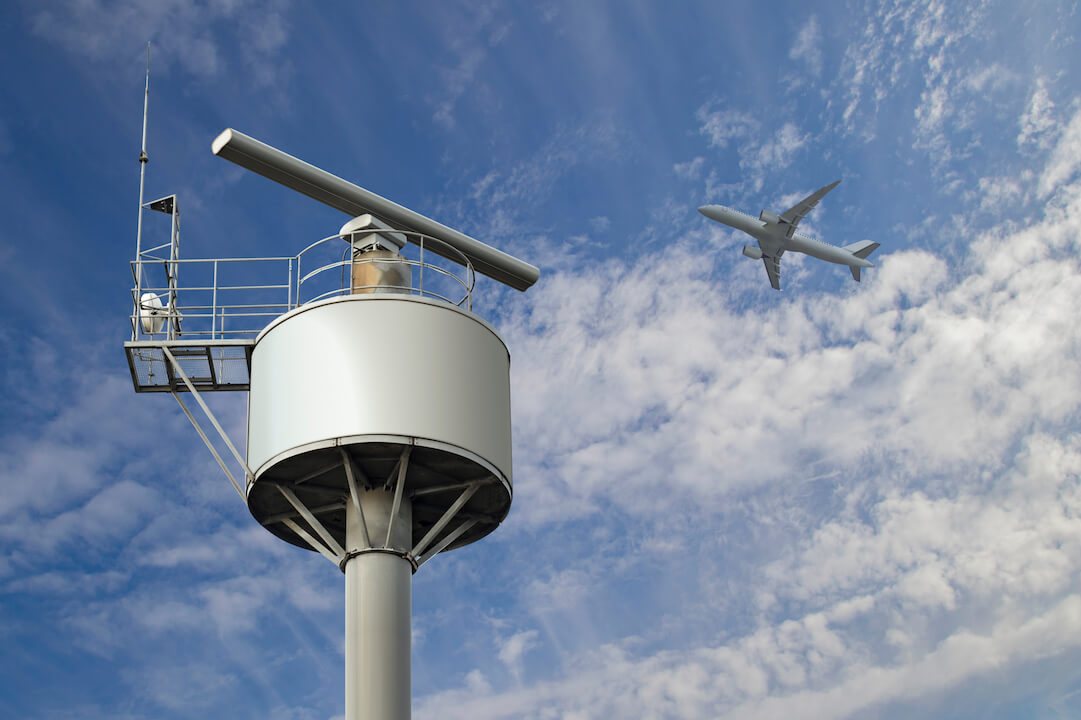
The Federal Aviation Administration (FAA) has announced a proposed rule requiring approximately 58,600 radio altimeter systems aboard US aircraft to be replaced or upgraded. The initiative, estimated to cost around $4.5 billion, aims to prevent potential interference from the expansion of 5G wireless services in the neighboring spectrum bands. This proposal, issued in a Notice of Proposed Rulemaking on January 7, 2026, mandates new standards of interference tolerance for altimeters operating within the US airspace.
Radio altimeters are essential for aircraft safety, providing critical terrain and obstacle data, especially during low-visibility operations. Concerns have grown about the possible interference from terrestrial wireless signals, which could lead to incorrect altitude readings or nuisance alerts, particularly at very low altitudes where accurate data are vital. The FAA has proposed a staggered compliance schedule, with larger aircraft models expected to meet new standards sooner after FCC spectrum authorization.
The agency's proposal emerges amidst ongoing disputes over spectrum sharing, particularly with the Lower C-band, which already faces interference issues. Since January 2022, the FAA has received hundreds of reports of interference-related incidents, with most involving display errors or nuisance alerts in altimeter systems. The FAA emphasizes that the new regulations seek to enhance safety and reliability, ensuring that aircraft can operate safely as wireless services continue to expand into adjacent spectrum bands.
Implementing these standards will safeguard aviation operations, supporting the expansion of wireless services while maintaining the integrity of critical safety systems. The proposal reflects a balancing act between technological progress and aviation safety, aiming to prevent future incidents caused by spectrum interference.

