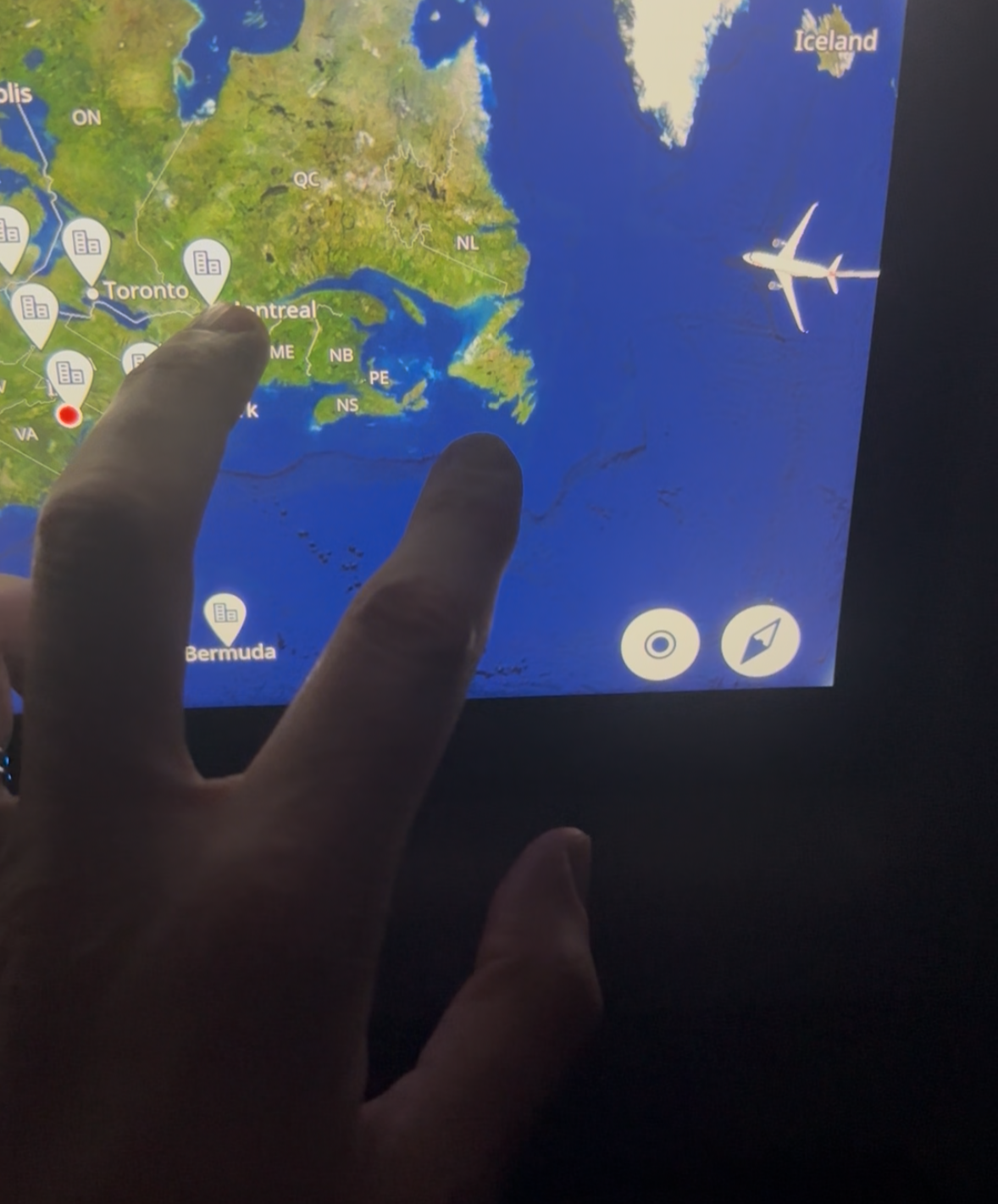
In response to the complex geopolitical landscape, FlightPath3D has established rapid update procedures for inflight maps, ensuring airlines stay compliant with territorial and political changes worldwide. Based in Lake Forest, California, this provider updates thousands of aircraft across over 90 airlines, reacting quickly to conflicts and territorial disputes.
Company president Duncan Jackson explained that they actively monitor conflicts and provide timely updates. For instance, after the US government renamed the Gulf of Mexico to Gulf of America and Turkey changed its name to Türkiye, FlightPath3D promptly deployed map updates. Similarly, specific geopolitical developments, such as Chinese authorities' labeling requirements for Taiwan, have prompted immediate corrections.
Jackson highlighted their swift deployment capabilities, exemplified by a Taiwan map update achieved within 48 hours. Their omni-channel approach ensures consistent map and content delivery across web, inflight entertainment, and customer apps. The tailored onboarding process involves detailed requirements analysis and proactive guidance to airline partners.
An incident involving Air Canada, which temporarily disabled its inflight map after passengers observed the name 'Israel' replaced with 'Palestinian Territories,' underscores the importance of vigilance and accuracy in geopolitical mapping. Jackson emphasized ongoing monitoring and updating to prevent similar issues, safeguarding accuracy and passenger trust.
Related industry articles explore topics such as United Airlines leveraging Starlink technology and Riyadh Air introducing advanced FlightPath3D maps. The company’s proactive approach to geopolitical awareness is vital for maintaining accurate inflight information amid a constantly shifting political environment.

