The recent turmoil in global oil markets, driven by escalating conflicts in the Middle East, has caused crude prices to spiral, impacting various industries including aviation. Airlines are beginning to raise ticket prices in response to surging jet fuel costs, while geopolitical tensions, such as U.S. and Israel strikes on Iran, have disrupted shipping routes like the Strait of Hormuz, a vital oil chokepoint.
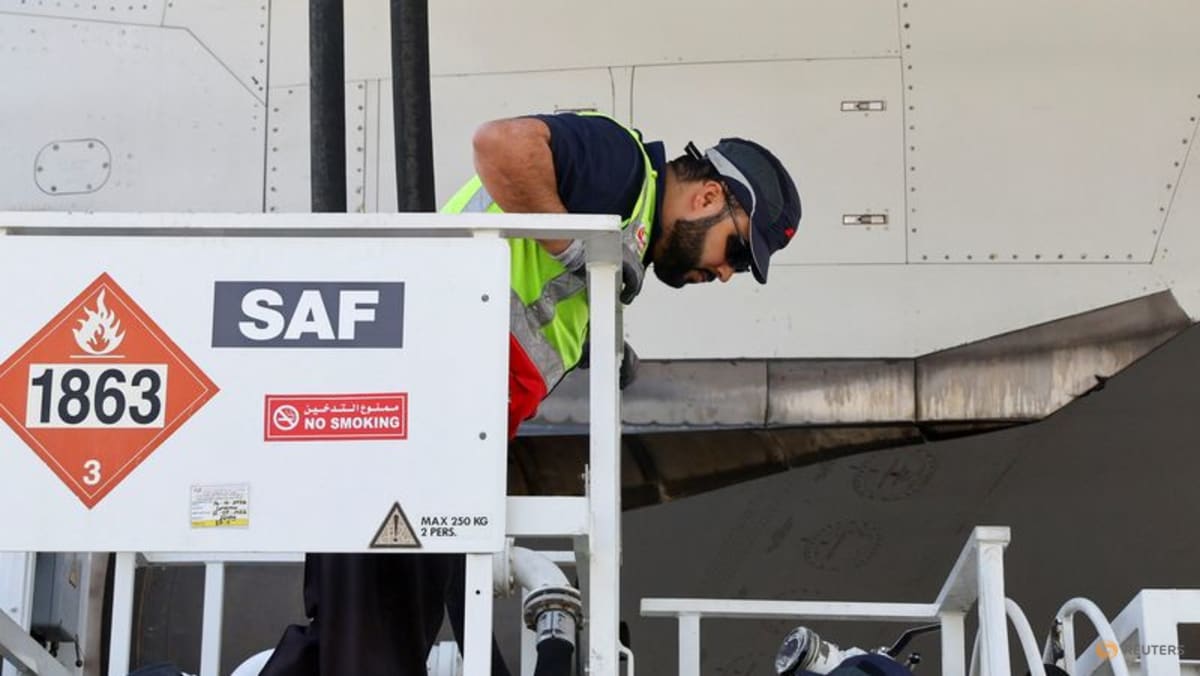
In light of this volatility, the aviation sector is increasingly turning to sustainable aviation fuel (SAF) as a potential alternative to traditional fossil fuels. SAF is produced from waste and residues from industrial and food processes, such as used cooking oil, agricultural waste, and municipal refuse. It can be blended with conventional jet fuel and utilized in existing aircraft engines without modifications, offering a cleaner option for the industry.
Growing Interest and Production Challenges
Hong Kong-based EcoCeres sources feedstock mainly from China and Southeast Asia, including animal fats, palm oil mill effluent, and brown grease. Industry experts emphasize that while SAF can significantly cut lifecycle emissions—up to 80%—its high current costs and limited production capacity hinder widespread adoption. Currently, SAF costs three to five times more than traditional jet fuel, compounded by shortages of refineries and feedstocks.
"Feedstock collection is important. We have our own traceability system to track waste sources from restaurants and other facilities," said Matti Lievonen, CEO of EcoCeres.
Industry leaders also highlight that, despite SAF's environmental benefits, its role as a buffer against oil price shocks remains limited due to economic factors. Much of the global development has been led by Europe and the United States, where blending mandates and incentives have accelerated the adoption. Asian countries like Japan, Malaysia, and Singapore are emerging players, but more government support is required to match North American and European efforts.
China is positioning itself as a future major supplier by establishing supportive policies and a National Low-Carbon Transformation Fund, although high costs and supply chain limitations persist. As global passenger traffic continues to grow rapidly, especially in the Asia-Pacific region, decarbonizing aviation through SAF could be a step toward greener skies, although significant technical and economic hurdles remain.
Ultimately, the industry recognizes that SAF, while promising, is not a total solution, and technological advancements in batteries or hydrogen may be necessary for long-term sustainable aviation. Nonetheless, increasing mandates and governmental support could play a key role in expanding SAF’s role in the industry’s climate strategy.

