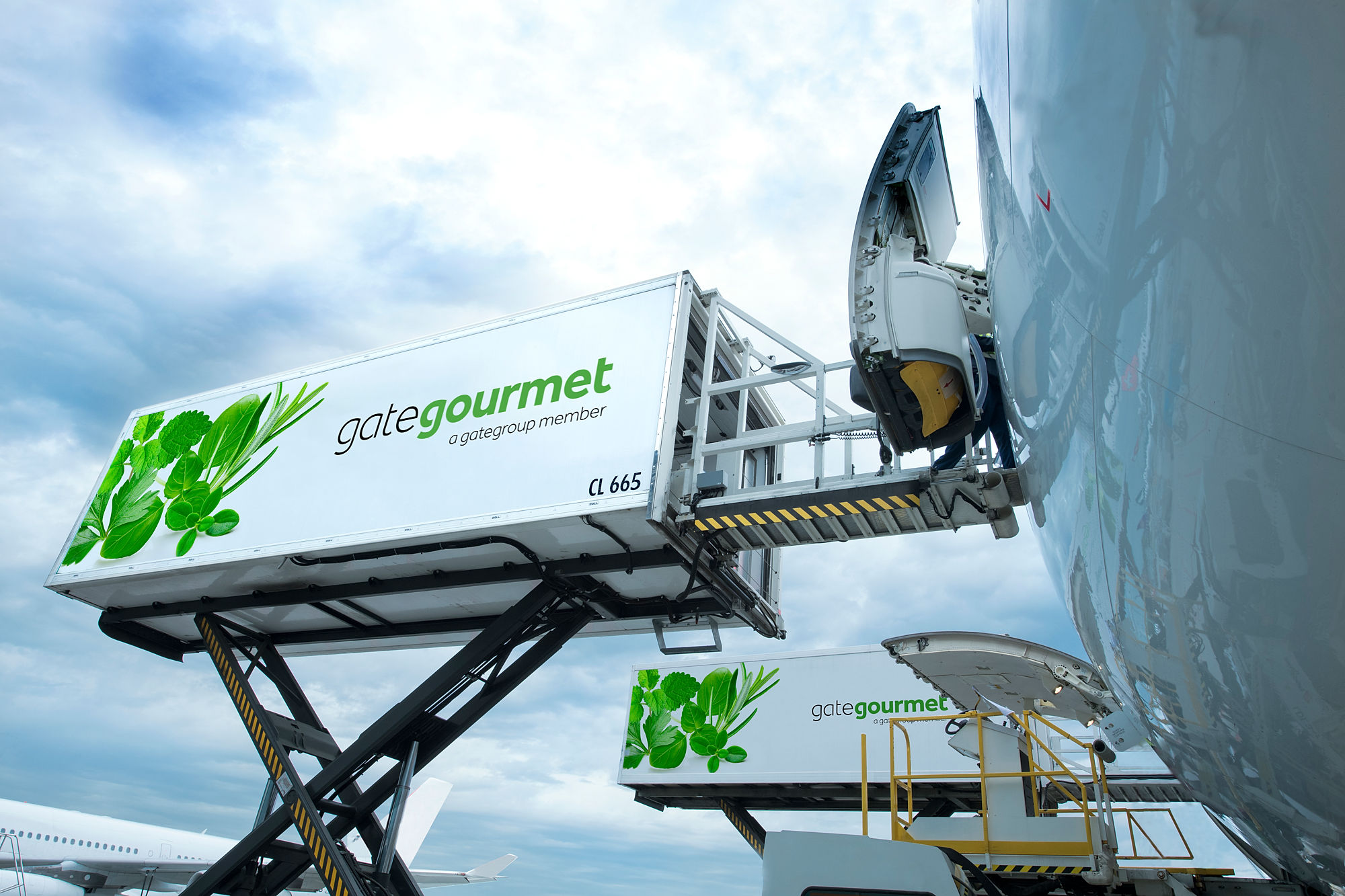
Airline catering has undergone significant transformation from the early days of commercial aviation in the 1930s. Initially offering simple boxed lunches, airlines gradually developed complex catering operations, especially with the advent of larger jet aircraft like the Boeing 747, which required industrial-scale kitchens. Major catering providers such as gategroup and LSG Sky Chefs emerged, serving hundreds of airlines worldwide and managing extensive logistics networks. Despite outsourcing, some airlines retain in-house operations at key hubs, exemplified by American Airlines at Dallas-Fort Worth and Singapore Airlines at Changi Airport, which operate large facilities and collaborate with specialized catering companies.
In recent developments, Swiss catering company gategroup announced a strategic partnership with KLM Royal Dutch Airlines, acquiring a majority stake in KLM Catering Services. This move aims to modernize facilities, enhance automation, and focus on sustainability, as the airline shifts its catering responsibilities. Passenger numbers have surged to over 5 billion annually, pushing the industry to meet high standards of quality and safety amid complex logistical challenges. These advancements highlight the ongoing evolution of airline catering as a vital component of the passenger experience and the aviation business.

