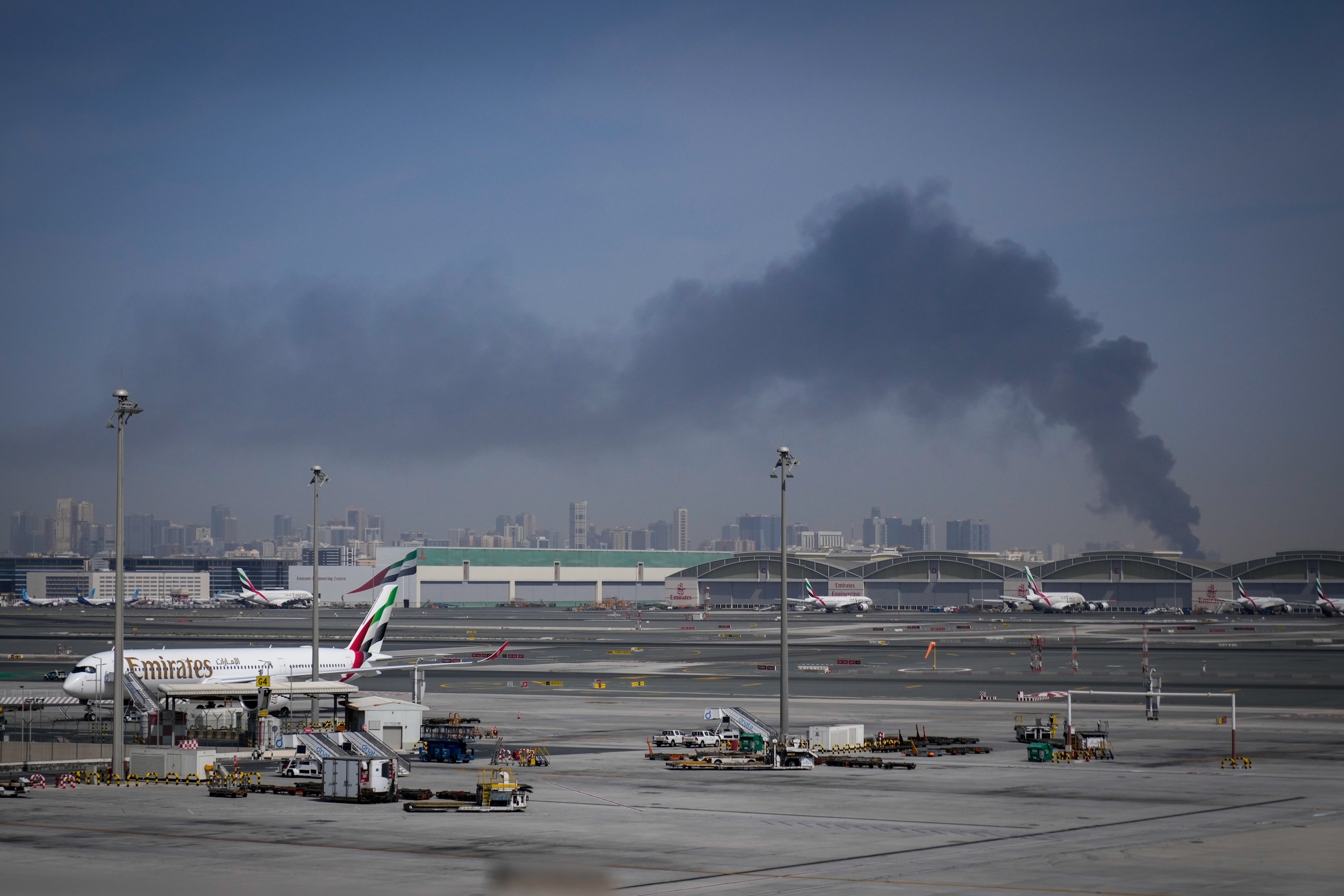
Recent military actions against Iran, launched by Israel and the United States, have rekindled geopolitical tensions that are significantly affecting the global aviation industry. Beginning February 28, extensive strikes targeted Iranian military sites, aiming to weaken Iran’s nuclear and regional influence. These hostilities have resulted in Iranian ballistic missiles and drones impacting multiple countries, including Bahrain, Cyprus, Iraq, Israel, Jordan, Oman, Qatar, Saudi Arabia, and the United Arab Emirates.
The ongoing conflict has led to the temporary loss of critical air transit routes, complicating civil aviation operations and illustrating the sector's vulnerability to regional instability. According to sources familiar with the situation, the disruptions limit safe passage through vital international corridors, underscoring how conflicts in geopolitically sensitive regions can ripple through global transportation networks.
Implications for International Civil Aviation
Analysts warn that these disruptions could have long-term implications for regional and international air travel patterns. The interruption of established routes raises concerns over the safety and security of commercial flights, as well as the potential economic impacts stemming from delayed or diverted flights. The recent escalation reaffirms the importance of dynamic risk management for airlines operating in high-risk zones, as geopolitical conflicts continue to evolve.
"The situation underscores the delicate balance of peace in a region central to global aviation," said industry experts. If conflict persists, it could accelerate shifts in flight routes and force airlines to seek alternative paths, increasing operational costs and complexities.
Governments and industry stakeholders are closely monitoring the situation, with some advocating for more resilient routing strategies and enhanced safety protocols. While the short-term outlook remains uncertain, the aviation sector is expected to adapt to these challenges through technological and strategic innovations, aiming to better withstand geopolitical shocks in the future.
As the conflict continues, the international community faces the challenge of balancing political and security concerns with the need to maintain open, safe airspace corridors—a crucial component for global connectivity and economic stability.

