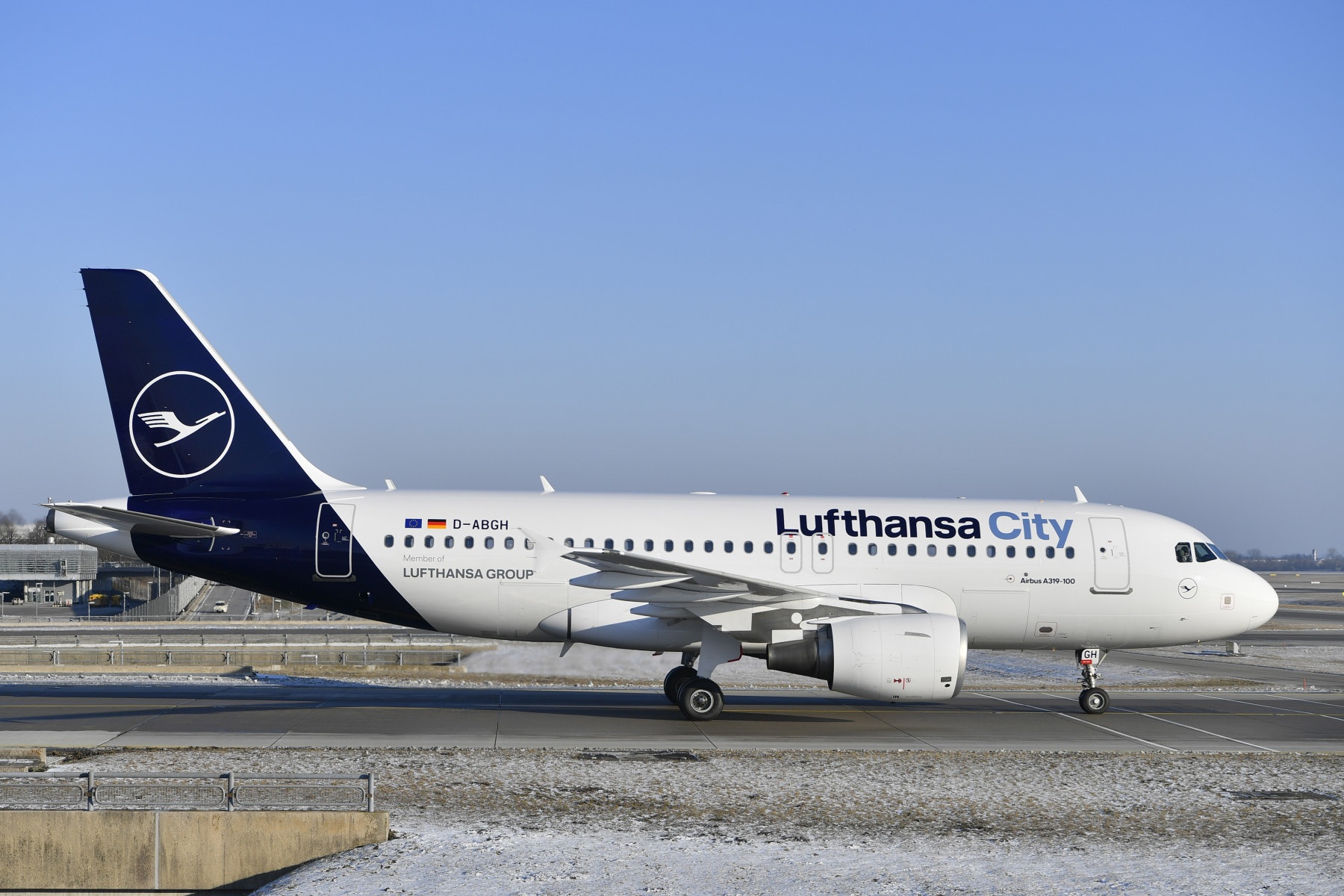
Germany’s aviation industry is currently facing significant challenges that threaten operational stability. Major German airports, including Frankfurt, Munich, Berlin, and Hamburg, have reported operational strains due to staffing shortages and unresolved labor disputes. These issues have led to delays, cancellations, and increasing frustration among travelers.
The root causes stem from the long-term impact of the COVID-19 pandemic, which saw extensive layoffs of staff such as baggage handlers, security personnel, and air traffic controllers. Despite the resurgence in passenger demand, staffing levels have not recovered adequately, leading to disruptions, especially during peak periods. Additionally, repeated strikes involving airport workers, airline crews, and railway staff have compounded the difficulties.
This situation is worsened by the German government and European Union’s push towards greener aviation practices, which include higher fuel standards and emissions taxes. While environmentally motivated, these regulations have increased operational costs, causing some airlines to cut unprofitable routes. The combination of regulatory pressure and labor unrest poses risks to flight schedules and regional connectivity.
Experts warn that without urgent investments in personnel and modernization efforts, the situation may worsen during the upcoming busy summer and holiday seasons. The disruptions have broader economic implications as well; delays affect supply chains, tourism, and international investment. Major events and trade fairs, crucial to the German economy, rely heavily on reliable air services, emphasizing the importance of resolving these issues for long-term stability.

