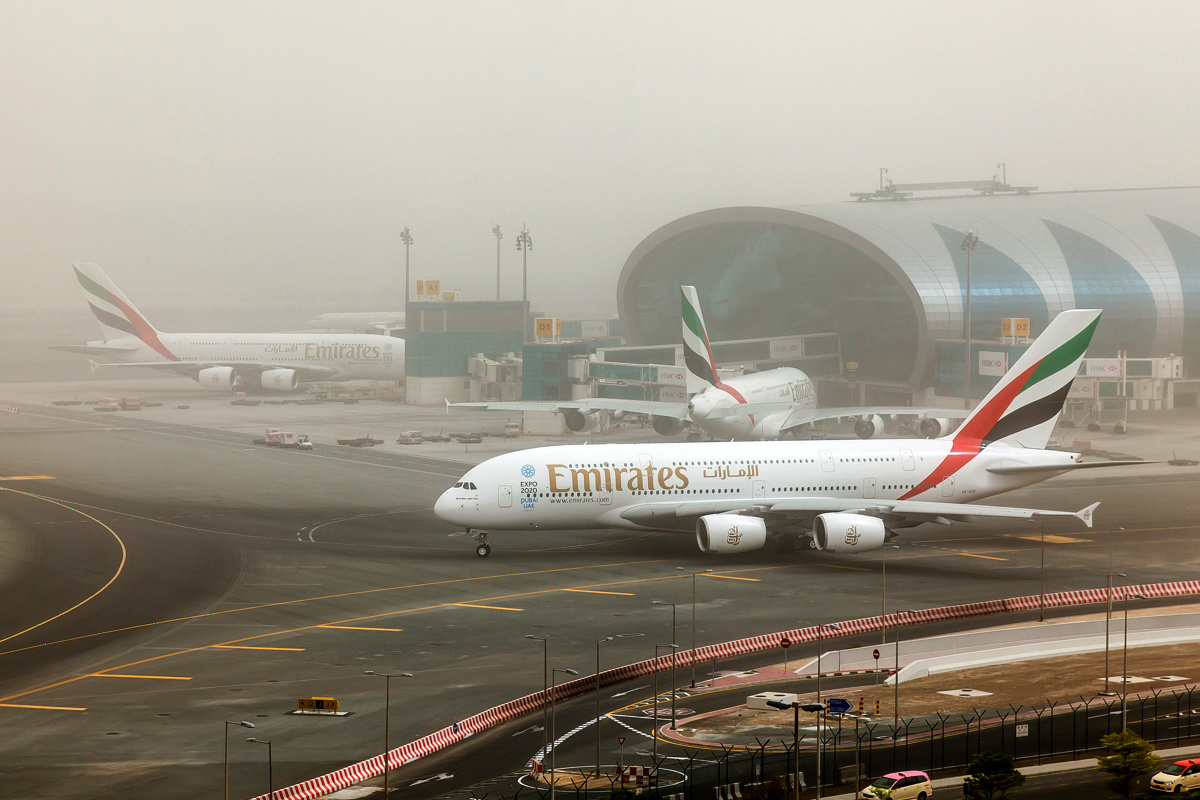
The airline industry in the Middle East is experiencing a significant financial downturn in 2026, with regional carriers projected to lose $4.3 billion, swinging from a previous profit of $7.2 billion. This downturn results largely from geopolitical tensions following strikes between US, Israel, and Iran, which caused temporary damage to major airports including Dubai and Abu Dhabi, and led several Gulf nations to close their airspace temporarily.
Although these airports have reopened, the recovery has been uneven. Airlines such as Emirates, Etihad, and Qatar Airways are operating at reduced capacities, with many European carriers delaying their return to Gulf airspace. The disruption has shifted passenger demand away from hub-and-spoke routes through the Gulf towards direct flights, notably increasing flight lengths, fuel consumption, and operational costs.
Jet fuel prices have surged considerably, rising nearly 70%, with the industry’s fuel costs expected to reach $350 billion, up from last year's $252 billion. This increase, coupled with reduced passenger volumes, has strained airline finances. Some airlines, like Emirates, have introduced innovative measures such as war-related travel insurance and guest accommodations to rebuild traveler confidence.
Meanwhile, Israel’s El Al has benefited from limited competition, reporting doubled profits amid high fares. The ongoing geopolitical risks and elevated fuel costs threaten the long-term viability of the Gulf’s airport hub model, with the associated risk premium likely to linger beyond immediate conflicts, impacting future investments in the region's aviation infrastructure.

