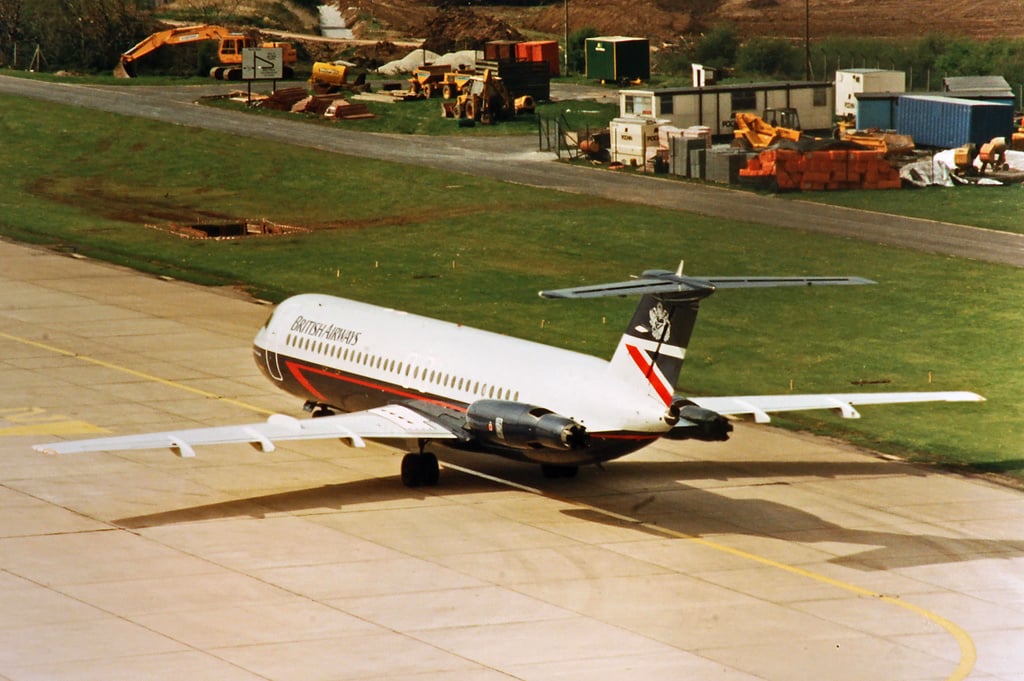
On June 10, 1990, British Airways Flight 5390 experienced a critical failure when its cockpit windscreen abruptly blew out at 17,300 feet over Oxfordshire. The incident nearly resulted in catastrophe, but thanks to the rapid action and exceptional bravery of the crew, all on board survived.
The aircraft, a BAC One-Eleven, was on a routine flight from Birmingham to Málaga with 81 passengers. During the climb, the windscreen unexpectedly detached, creating a sudden decompression. The captain, Tim Lancaster, was partially ejected from the cockpit, his upper body exposed to the freezing slipstream outside the aircraft. First Officer Alastair Atchison took immediate control and began descending toward Southampton Airport.
Meanwhile, steward Nigel Ogden responded swiftly by grabbing Lancaster’s legs and holding on to prevent him from being lost entirely. Over the course of twenty minutes, crew members formed a human chain in the cockpit, maintaining their hold on Lancaster as the aircraft descended. The autopilot assisted with the landing at Southampton, which was executed successfully despite the harrowing circumstances.
Investigations revealed that the windscreen’s failure resulted from maintenance errors, where 84 of the hold-down bolts were improperly installed. This revealed deficiencies in maintenance procedures, leading to widespread safety reforms worldwide.
Several crew members received commendations for their bravery, exemplifying the importance of professionalism and quick thinking in aviation safety. The incident underscores that, even in the face of human and technical errors, a prepared and courageous crew can avert disaster and ensure passenger safety.

