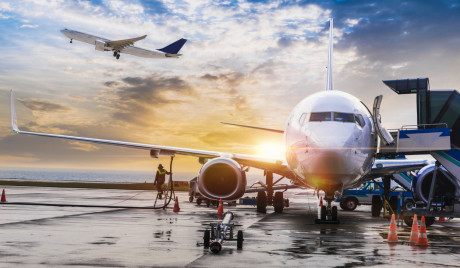
The airline industry entered 2026 in a robust position, marking its strongest recovery since the COVID-19 pandemic. Despite record passenger volumes and increased profitability in 2025, the sector faces significant challenges due to geopolitical disruptions, notably the closure of the Strait of Hormuz. This shutdown has severely limited jet fuel supply, causing prices to escalate sharply and disrupting airline operations and profitability.
Prior to the crisis, airlines had been addressing structural challenges such as decarbonisation and supply chain constraints. The disruption in the Middle East has exacerbated these issues, with increased fuel costs impacting margins. Airlines are passing some of the increased fuel expenses onto passengers through higher fares, but many regions, particularly the Middle East, are expected to post losses due to operational disruptions.
Supply Constraints and Environmental Regulations
Aircraft delivery delays, maintenance limitations, and sustainability policies are curbing fleet renewal and capacity expansion. Europe’s ReFuelEU Aviation mandates increasing sustainable fuel use, which significantly raises operational costs. Additionally, the ICAO’s CORSIA scheme imposes strict emission reduction targets, adding to the regulatory and procurement burdens faced by airlines.
Looking ahead, demand for leisure travel and cargo remains resilient, but growth will be constrained by supply-side bottlenecks. The sector’s outlook will depend heavily on geopolitical stability and the pace of regulatory compliance. Experts highlight that these constraints may help prevent overcapacity, but the sector’s profitability remains fragile amid global economic uncertainties.
Analyst: Florence Thiéry – f.thiery@credendo.com

