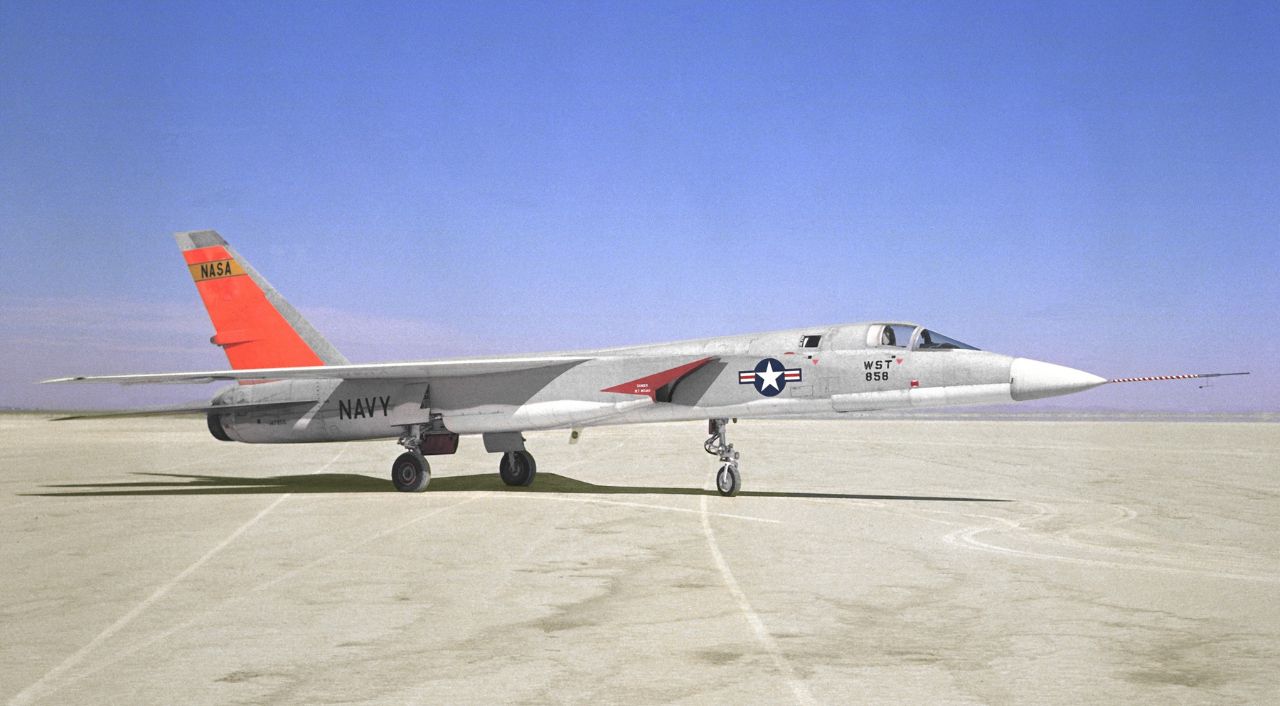
On December 13, 1960, at Edwards Air Force Base in California, a remarkable achievement in aviation history occurred when a North American A3J-1 Vigilante set a new world altitude record. Piloted by Commander Leroy Anthony Heath and Lieutenant Henry L. Monroe, the aircraft reached an altitude of 91,450 feet while accelerating to a speed of 1,400 miles per hour, pushing the boundaries of what was possible at the time. The pilots entered a ballistic climb, and at its peak, the aircraft experienced a brief moment of weightlessness, symbolizing the extraordinary nature of this flight.
The Vigilante's record-breaking altitude broke the previous official FAI record by over 24,000 feet and demonstrated the capabilities of this supersonic aircraft, which later served in the Vietnam War for reconnaissance and bombing missions. Powered by two General Electric J79-GE-8 turbojets, the aircraft could reach speeds of Mach 2 and had a range of nearly 974 nautical miles. Its maximum altitude capability was over 52,000 feet, making it suitable for high-altitude military operations.
Significance and Legacy
This historic flight was celebrated as a prime example of Cold War aeronautical engineering excellence and the technological advancements of the United States during that era. The pilots received distinguished medals for their achievement, and the Vigilante's legacy continues through various preserved aircraft and documented historical records, epitomizing the pioneering spirit of aerospace innovation.

