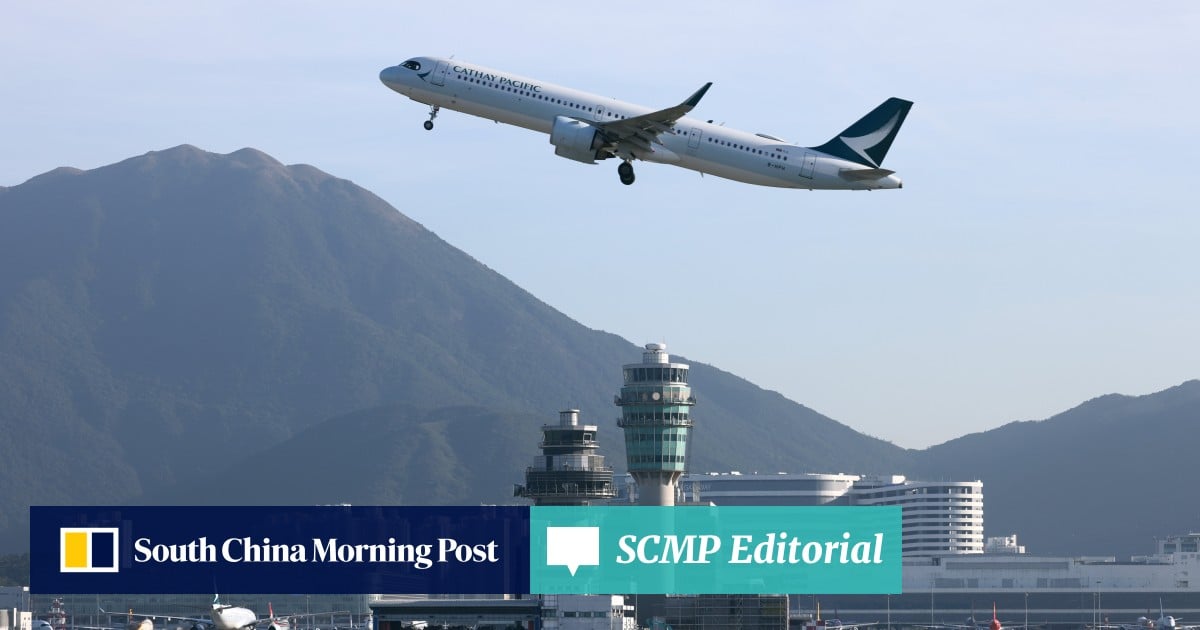
Hong Kong is undertaking a substantial investment of HK$141.5 billion (US$18.1 billion) to expand its airport facilities, including the construction of a third runway. This development aims to consolidate its status as a leading international air cargo and passenger hub, capitalizing on its strategic geographic position and strong connectivity with mainland China and global markets.
The expansion plans are complemented by new international aviation agreements signed with seven countries, primarily in Latin America. These agreements are expected to enhance Hong Kong’s international reach, providing a broader network of destinations and facilitating increased traffic volumes. The investments also align with the government's Belt and Road Initiative, emphasizing strategic global partnerships.
Enhancing Infrastructure and Competitiveness
The Airport Authority’s CEO, Vivian Cheung Kar-fay, emphasized that despite geopolitical tensions and regional competition from hubs such as Singapore, Taipei, Tokyo, and Seoul, Hong Kong maintains a competitive edge through its free-port status. This advantage is actively promoted to attract airlines and business partners.
In addition to infrastructure investments, the city is advancing the HK$100 billion Skytopia project. This ambitious development includes a yacht marina, recreational areas, and Skycity—a mixed-use precinct hosting hotels, offices, and commercial spaces—that aims to enhance the airport’s attractiveness and functionality.
"Our investments and international collaborations are designed to strengthen Hong Kong’s position as a global aviation nexus," said Mable Chan, Secretary for Transport and Logistics.
Through these initiatives, Hong Kong aspires to navigate ongoing global challenges, including supply chain disruptions and geopolitical tensions, and to seize emerging opportunities for growth in the aviation sector.

