Hormuz Strait Crisis Disrupts European Aviation, Fares Climb
Hormuz Strait Crisis Disrupts European Aviation, Fares Climb
Trending
|
6 months ago
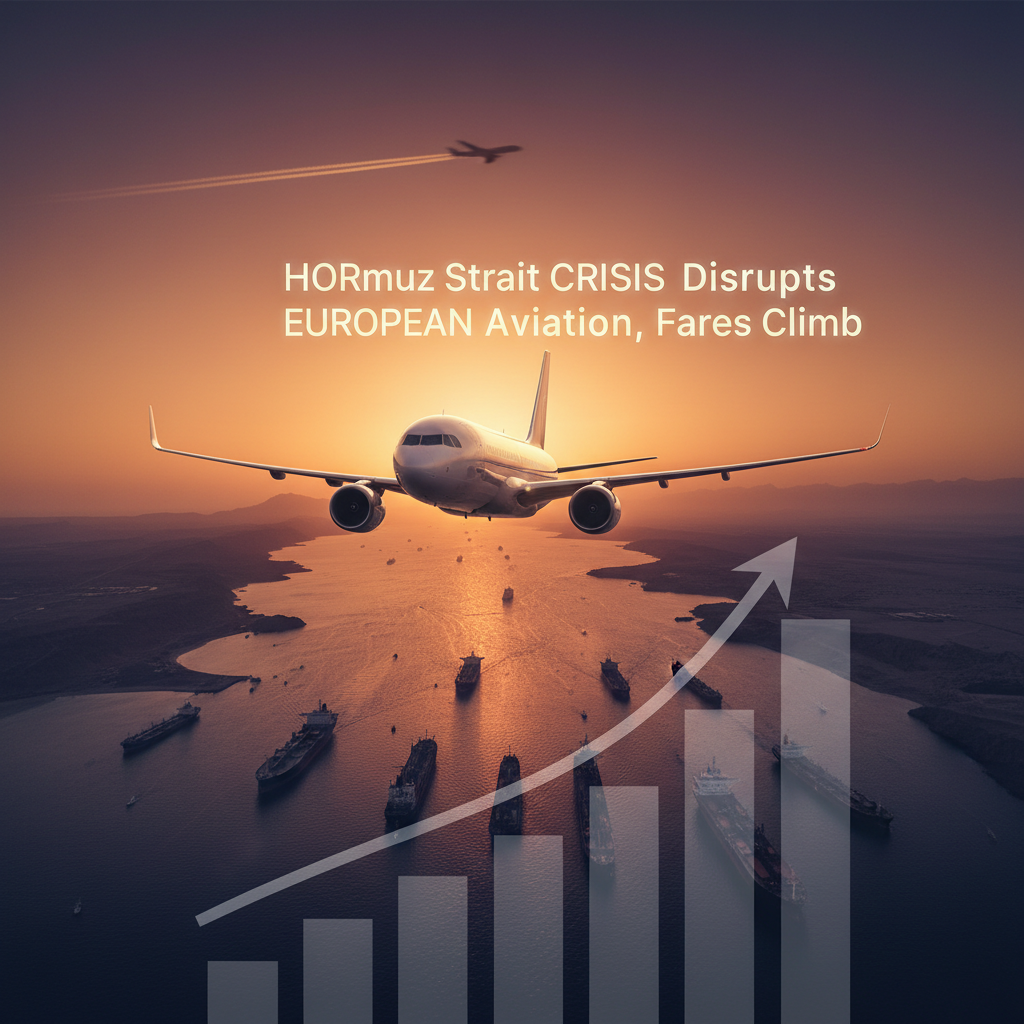 April 25, 2026 — Disruptions stemming from the ongoing crisis around the Strait of Hormuz are creating significant ripple effects throughout global aviation, with Europe experiencing the most acute impact. Airlines are reportedly cancelling flights, reducing available routes, and increasing fares as the supply of aviation fuel tightens. This situation, documented today, April 25, 2026, is leading to longer queues at airports and raising considerable concerns for prospective summer travelers.
Impact on European Air Travel
The European aviation sector is at the forefront of this disruption. Reduced access to aviation fuel, a direct consequence of the Strait of Hormuz crisis, is forcing carriers to adjust their operations. This includes strategic flight cancellations aimed at conserving fuel, as well as the complete removal of certain routes from their schedules. The immediate fallout for passengers includes increased air ticket prices, a direct reflection of heightened operational costs and reduced capacity.
Fuel Supply Challenges and Airline Adjustments
The Strait of Hormuz is a critical chokepoint for global oil transit, and any instability in the region directly affects the price and availability of petroleum products, including aviation fuel. Airlines, facing these supply constraints, are implementing measures to mitigate financial losses and manage their fuel reserves. These adjustments are not only affecting passenger travel but also potentially impacting cargo operations.
Concerns for the Summer Travel Season
As the peak summer travel season approaches, there are growing anxieties within the industry and among the public regarding the sustained impact of these disruptions. The combination of fewer flights, higher fares, and extended airport wait times could deter travel or force last-minute changes to plans. Stakeholders are closely monitoring the situation, with no immediate resolution in sight for the regional instability contributing to the aviation sector's woes.
The situation underscores the interconnectedness of global events and their far-reaching consequences on international industries like aviation. Airlines and travelers alike await developments as the crisis continues to unfold, hoping for a return to stability and predictable air travel.

Share to:
Latest news
powered by We Do Dev Work 
We use cookies and similar technologies to enhance your Browse experience, personalize content and ads, provide social media features, and analyze our traffic. By clicking 'Accept All' or continuing to use our website, you consent to the use of cookies as described in our Cookie Policy