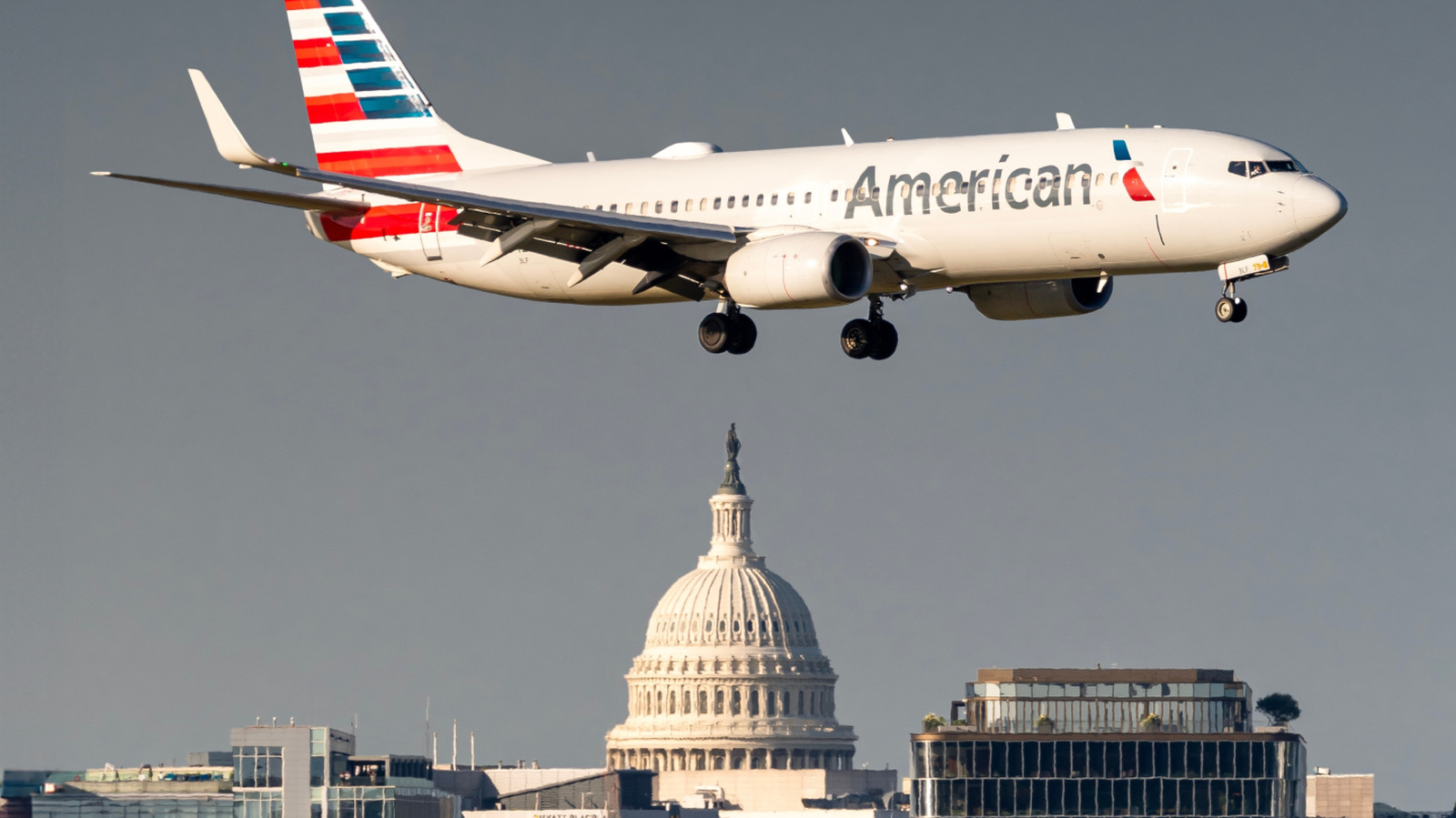
Legislative efforts to enhance aviation safety faced obstacles in the U.S. House of Representatives, as the Rotorcraft Operations Transparency and Oversight Reform (ROTOR) Act was blocked due to opposition from the Pentagon and political disagreements. The bill, introduced in response to a 2025 collision over the Potomac River involving an Army Black Hawk helicopter and an American Airlines flight, aimed to implement critical safety reforms, including mandatory installation of advanced tracking systems and review of flight routes near airports. Despite passing the Senate unanimously, the bill was unable to gain sufficient support in the House amid accusations that the military's concerns about cost and practicality were influencing legislative delays. Critics argue such reforms could have prevented the tragic accident, and officials like NTSB Chairwoman Jennifer Homendy emphasized the importance of implementing these safety measures. The opposition, led by some Republicans and the Pentagon, also favors a competing bill that lacks these critical provisions, illustrating the complex political and military considerations tying up aviation safety legislation. The legislative impasse underscores the challenge of translating safety recommendations into enforceable regulations, especially when military interests are involved.
House Republicans Block Aviation Safety Legislation Aimed at Preventing Future Crashes
House Republicans Block Aviation Safety Legislation Aimed at Preventing Future Crashes
Trending
|
8 months ago

Share to:
Latest news
powered by We Do Dev Work 
We use cookies and similar technologies to enhance your Browse experience, personalize content and ads, provide social media features, and analyze our traffic. By clicking 'Accept All' or continuing to use our website, you consent to the use of cookies as described in our Cookie Policy